Understanding Beginner Improv Classes
For many, the thought of stepping into a beginner improv class can be daunting. The world of improvisational theater may seem exclusive or intimidating, but in reality, it serves as a welcoming environment for individuals looking to enhance their creativity and social skills. This article aims to demystify beginner improv classes, highlighting their purpose and importance, and addressing common misconceptions that may deter potential participants.
What is a Beginner Improv Class?
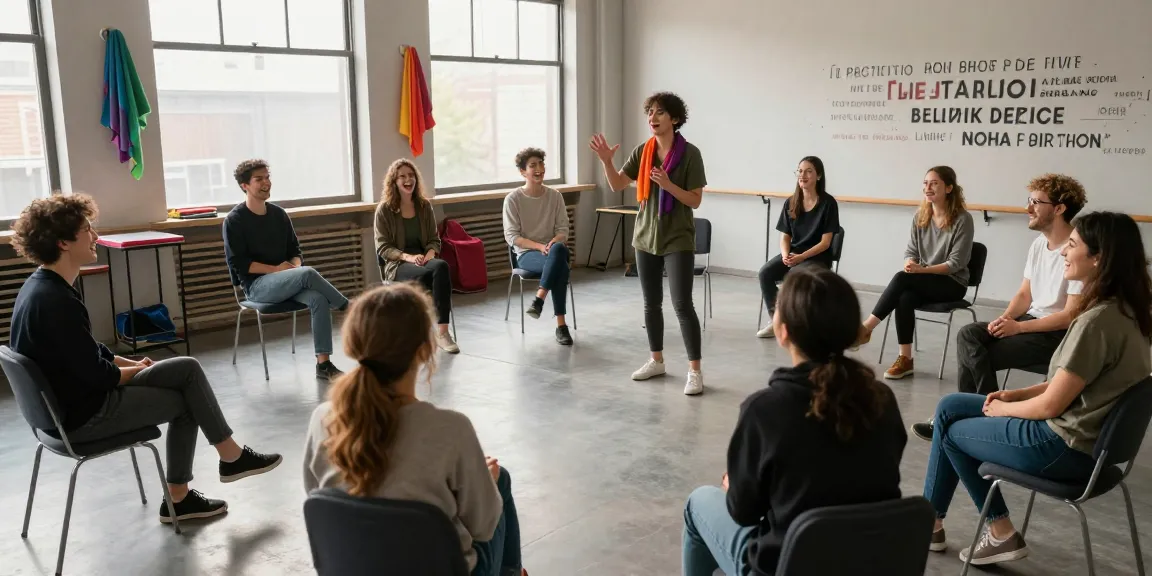
A beginner improv class is designed to introduce individuals with no prior experience to the fundamentals of improvisational acting. These classes focus on the principles of spontaneity, creativity, and collaboration, allowing participants to engage in unscripted performances with an emphasis on fun and exploration. Classes typically involve a variety of games and exercises that encourage players to think on their feet, promote teamwork, and nurture confidence.
Why Improv is Essential for Personal Growth
Participating in improv is not just about learning to act; it is a transformative experience that fosters personal development. Improv allows individuals to step outside their comfort zone, cultivating skills that are applicable in both personal and professional contexts. By engaging in these classes, participants learn to embrace uncertainty, adapt to changing situations, and develop resilience—qualities that are increasingly valuable in today’s fast-paced world.
Common Myths About Improv Classes
There are several misconceptions surrounding beginner improv classes that can discourage potential students. One prevalent myth is that you must be a naturally funny person to succeed in improv. In truth, humor often arises from the unpredictability of scenes, not from the innate ability to tell jokes. Another common belief is that improv is exclusive to actors or performers; however, anyone can benefit from the skills learned in these classes, regardless of their background. By debunking these myths, we can encourage more individuals to explore the enriching world of improv.
Key Benefits of Joining a Beginner Improv Class
Enhancing Creativity and Flexibility
One of the most notable advantages of enrolling in a beginner improv class is the significant boost in creativity it provides. Improv encourages participants to think divergently, where there are no wrong answers. This freedom fosters an environment where ideas can flow naturally, allowing for greater innovation and flexibility in problem-solving, both on and off stage.
Coping with Anxiety and Building Confidence
For many adults, anxiety can be an overwhelming barrier to self-expression. Beginner improv classes offer a supportive space to take risks and learn to manage anxiety. As participants engage in spontaneous role-playing and group activities, they gradually build confidence in their abilities to navigate unpredictable social interactions, which can translate to improved public speaking skills and greater self-assurance in various life situations.
Teamwork and Communication Skills Development
Improv inherently relies on collaboration and effective communication. In class, students learn to listen actively, respond thoughtfully, and work seamlessly with their peers. These skills not only enhance a participant's performance but are also vital in professional environments, where teamwork and clear communication are essential. By practicing these abilities in a fun and engaging context, individuals can develop skills that lead to success in both personal and professional relationships.
How to Choose the Right Improv Class for Beginners
Factors to Consider: Location, Style, and Instructor
When exploring options for a beginner improv class, it's essential to consider several factors. Location is a significant aspect—choose a class that is accessible and convenient for your schedule. Additionally, the style of the class can vary depending on the instructor's focus; some may emphasize comedy, while others might lean towards dramatic improv. Researching instructors' backgrounds and teaching philosophies can help ensure that you find a class that aligns with your interests and goals.
What to Expect in Your First Class
Your first beginner improv class may be filled with excitement and a dash of apprehension. Typically, classes start with warm-up exercises to help participants relax and connect with one another. You'll likely engage in a series of games designed to build trust and encourage creativity. Expect laughter, mistakes, and a supportive environment where everyone shares the goal of learning and growing together.
Reviews and Recommendations: Finding Quality Classes
Word of mouth and online reviews can be invaluable when searching for quality improv classes. Look for testimonials that highlight instructor effectiveness and class culture. Engaging with local improv communities on social media platforms can provide insights and recommendations from seasoned participants. Asking about experiences from friends or colleagues who have attended improv classes can also guide you toward making the right choice.
Best Practices for Success in Improv
Embracing Failure and Learning from Mistakes
One of the core tenets of improv is the acceptance of failure. Participants are encouraged to view mistakes as learning opportunities rather than setbacks. Embracing this mindset allows for greater exploration of ideas and can lead to unexpected moments of creativity. Remember, the best improv often arises from the most unforeseen circumstances!
Active Participation: Engaging with Peers
Improv thrives on collaboration, so complete engagement is crucial. Actively participating in exercises and offering support to fellow classmates creates a more positive and enriching environment. Building connections with your peers not only enhances the learning experience but fosters a sense of community among participants.
Exercises and Techniques to Practice at Home
To make the most of your improv journey, consider practicing at home. Simple exercises such as storytelling, where you narrate a tale and invite others to spontaneously join in, can be particularly effective. Additionally, games like “Yes, And…” encourage positive reinforcement and creative building, helping to refine your skills even outside the classroom.
Future of Improv Classes: Trends to Watch in 2026
Virtual vs. In-Person Classes: What's Next?
The world of improv is evolving, with more classes transitioning to virtual formats. While in-person classes offer unique dynamics and immediate feedback, online classes have made improv accessible to a broader audience. In 2026, we may see a hybrid model that combines both formats, allowing participants to choose the best fit for their learning style.
Innovative Techniques and Formats Emerging
As improv continues to grow, new techniques and formats are being introduced. Workshops focusing on niche areas, such as corporate improv or improv for writers, are becoming increasingly popular. These specialized classes prepare participants for specific challenges and contexts, reflecting a broader understanding of the art form’s versatility.
The Role of Improv in Professional Development
Improv is gaining recognition as a vital tool for professional development. Companies are beginning to incorporate improv training into their workshops to enhance employees' communication and leadership skills. By fostering a culture of creativity and adaptability through improv, organizations can better prepare their teams for dynamic work environments.
What should I wear to a beginner improv class?
Comfort is key when dressing for an improv class. Opt for clothing that allows ease of movement—loose-fitting tops and bottom layers are often recommended. Wearing comfortable shoes is equally important, as you may be on your feet and moving around during various exercises. Ultimately, choose an outfit that helps you feel confident and ready to participate.
Can I join an improv class without any acting experience?
Absolutely! Beginner improv classes are designed for individuals with no prior experience. Everyone starts somewhere, and instructors are trained to guide novices through the fundamentals of improvisation. Many students find that they can develop their skills regardless of their background, making improv accessible to all.
How often should I attend improv classes to improve?
Attending classes regularly can significantly enhance your learning experience. Aim for weekly sessions to build momentum and retain skills learned in previous classes. However, consistency is more crucial than frequency, so finding a schedule that works for you is essential for steady improvement.
What are some common exercises in a beginner improv class?
Common exercises include “Yes, And...” where participants build on each other's ideas, and “Word Association,” which sparks quick thinking and spontaneity. These activities are designed to strengthen creativity, trust, and collaboration among classmates, setting a strong foundation for further improv practices.
Will improv help me in my personal or professional life?
Yes, participating in improv can significantly impact both personal and professional realms. For more information, Thinking on your feet offers valuable insights. The skills developed—such as improved communication, adaptability, and confidence—carry over into various aspects of life. Many individuals report feeling more at ease in social situations and exhibit enhanced problem-solving abilities in the workplace after engaging in improv training.