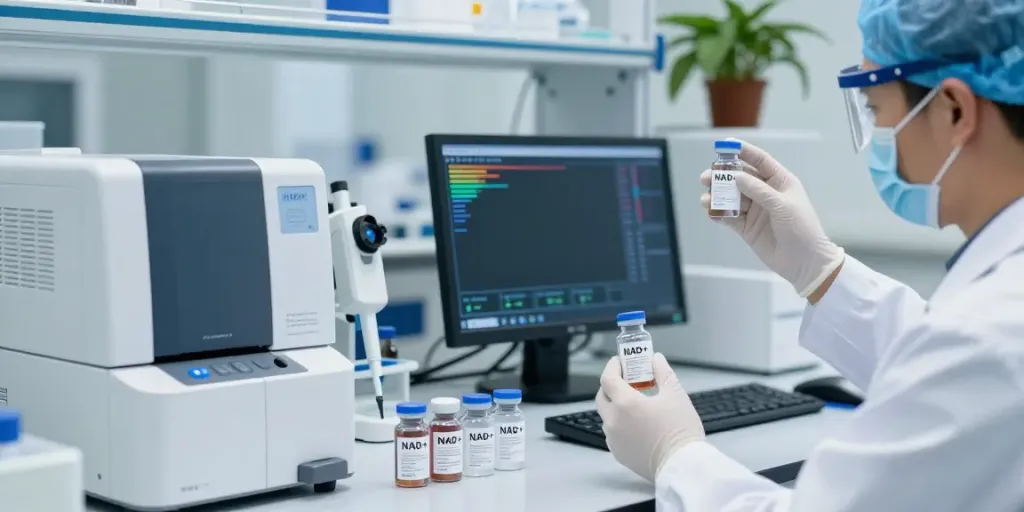
Understanding NAD+ and Its Importance in Research
Nicotinamide Adenine Dinucleotide, or NAD+, is a coenzyme found in all living cells, playing a critical role in energy metabolism and DNA repair. Its importance in cellular functions cannot be overstated, as it facilitates various biochemical reactions essential for life. In recent years, NAD+ has garnered considerable attention within the scientific community for its potential implications in health, longevity, and various therapeutic interventions. As researchers seek reliable sources for high-quality NAD+, the question of where to buy NAD+ vial online becomes increasingly relevant.
What is NAD+ and its Role in Cellular Functions?
NAD+ serves several key functions within cellular processes. Primarily, it assists in the conversion of food into energy by participating in redox reactions, a process crucial for the generation of ATP (adenosine triphosphate), the primary energy currency of cells. Additionally, NAD+ is fundamental in maintaining cellular health through its involvement in DNA repair mechanisms and gene expression regulation. The balance between NAD+ and its reduced form, NADH, is vital, as it influences metabolic pathways and redox state, impacting overall cellular health and function.
Common Applications of NAD+ in Scientific Research
Research involving NAD+ has expanded across various fields, including aging, metabolic disorders, and neurodegeneration. Studies have shown that NAD+ levels decline with age, which is linked to age-related diseases and cellular dysfunction. This has prompted investigations into NAD+ supplementation and its potential benefits for boosting energy levels, enhancing cognitive function, and promoting longevity. Furthermore, NAD+ has shown promise in cancer research, with studies examining its role in tumor metabolism and therapeutic responses.
Importance of Quality in Research Chemicals
The integrity of research outcomes heavily relies on the quality of the chemicals utilized. Inconsistent or contaminated compounds can lead to invalid results, jeopardizing entire studies. Thus, sourcing research-grade NAD+ that meets stringent purity and concentration standards is essential. Researchers are encouraged to select suppliers who provide transparent documentation regarding their products, including Certificates of Analysis (COA) that detail testing methods and results.
Why You Should Buy NAD+ Vials Online
Purchasing NAD+ vials online offers several advantages, primarily in terms of convenience and accessibility. High-quality suppliers, like Voltera Sciences, provide comprehensive online catalogs, enabling researchers to browse and select the compounds they need efficiently. When exploring options, buying from reputable sources ensures the authenticity and quality of the research materials being procured.
The Convenience of Online Ordering for Research Products
Online ordering streamlines the acquisition process for researchers, eliminating the time-consuming tasks of searching for local suppliers or navigating complex purchasing protocols. With detailed product descriptions, batch documentation, and customer support readily available, researchers can make informed decisions quickly. Moreover, many online suppliers offer same-day shipping for orders placed before specific cutoff times, ensuring that critical materials reach labs without unnecessary delays.
How to Choose Quality NAD+ Suppliers Carefully
When selecting a supplier for NAD+, researchers should prioritize those with a solid reputation for reliability and quality. Key factors to consider include:
- Reputation: Investigate customer reviews and testimonials.
- Transparency: Ensure the availability of COA and other documentation.
- Quality Assurance: Check if they conduct third-party laboratory testing.
By performing due diligence, researchers can secure the most appropriate and effective NAD+ products for their specific needs.
Assessing Transparency in Third-Party Testing
Transparency in third-party testing is a hallmark of credible suppliers. Look for companies that perform independent laboratory analyses, such as HPLC (High-performance liquid chromatography) testing, to confirm identity, concentration, and purity for each batch of NAD+. This level of scrutiny not only guarantees product quality but also builds trust in the supplier's commitment to maintaining high standards.
Research-Grade NAD+: What You Need to Know
Understanding the specifics of research-grade NAD+ is crucial for researchers looking to maximize the efficacy of their experiments. Not all products labeled as NAD+ are created equal; therefore, knowledge about batch verification and regulatory compliance is essential.
Batch Verification and Certificate of Analysis
Batch verification ensures that each vial of NAD+ meets predefined standards for purity and concentration. A reputable supplier should provide a COA for every batch, detailing the results of purity tests, endotoxin screenings, and sterility verification. This documentation not only confirms the quality of the product but also helps researchers maintain compliance with regulatory requirements.
Understanding Purity and Concentration Metrics
Purity and concentration metrics are critical when evaluating research-grade NAD+. High-purity levels (typically greater than 98%) are essential for consistent experimental outcomes. Concentration should be clearly indicated on packaging, allowing researchers to determine appropriate dosages for their specific applications. Familiarizing oneself with these figures can prevent costly mistakes and ensure that experiments yield reliable results.
Regulatory Compliance for Research Chemicals
Researchers must navigate a complex landscape of regulations governing the use of chemicals in scientific investigation. NAD+ products, like all research chemicals, should comply with local and federal regulations. Suppliers must possess the necessary certifications and ensure that their products are intended solely for laboratory research and not for human or animal consumption. By adhering to these guidelines, researchers can avoid legal complications and ensure ethical compliance in their studies.
Best Practices for Using NAD+ in Research Settings
Proper handling and application of NAD+ in research settings are crucial to obtaining valid results. Adhering to best practices not only enhances the reliability of the data but also ensures safety in the laboratory environment.
Proper Handling and Storage Techniques
NAD+ should be stored in a controlled environment, typically at -20°C or lower, to preserve its stability and integrity. Researchers should use aseptic techniques during handling and ensure that any opened vials are appropriately sealed to prevent contamination. Additionally, it's advisable to prepare working solutions under sterile conditions, utilizing proper dilution techniques to achieve the desired concentration.
Integrating NAD+ into Experimental Protocols
Incorporating NAD+ into experimental protocols requires careful planning and precision. Researchers should define the objectives of their study clearly, determining the role that NAD+ plays in their experimental design. Detailed protocols should outline the timing, dosage, and method of administration to ensure consistent and replicable results. Furthermore, documenting experimental conditions is essential for future reference and reproducibility.
Common Pitfalls to Avoid When Working with NAD+
When working with NAD+, researchers should remain vigilant about common pitfalls that could compromise their studies. These include:
- Inconsistent dosages: Ensuring precise measurements is vital for reliable outcomes.
- Contamination: Always employ sterile techniques to prevent introduction of foreign materials.
- Lack of documentation: Keep thorough records of experiments to facilitate validation and replication.
By acknowledging these potential issues, researchers can bolster the reliability and validity of their findings.
The Future of NAD+ in Scientific Research
The landscape of NAD+ research is continually evolving, with emerging trends and innovations poised to reshape its application in various scientific domains. Understanding where this research is headed can help researchers stay ahead of the curve.
Emerging Trends and Innovations in NAD+ Research
Recent studies have increasingly focused on the therapeutic implications of NAD+ in treating age-related conditions and metabolic diseases. Innovative formulations and delivery methods, such as oral supplements or intranasal administration, are being explored to enhance bioavailability and patient compliance. As technology advances, researchers can anticipate even more sophisticated applications of NAD+ in clinical settings.
Potential Applications in Therapeutics and Aging Studies
Potential applications of NAD+ in therapeutics and aging research are particularly promising. Recent findings suggest that NAD+ supplementation may improve mitochondrial function, enhance cellular resilience, and even mitigate some effects of aging. This area of research is generating considerable excitement, with ongoing studies evaluating the efficacy of NAD+ precursors in clinical populations.
Expert Insights on the Evolution of NAD+ Usage
Experts in the field anticipate that advancements in our understanding of NAD+ will drive innovative therapeutic strategies in the near future. As research continues to unveil the multifaceted roles of NAD+ in health and disease, the demand for high-quality NAD+ vials will surge—underscoring the importance of sourcing from reliable suppliers committed to transparency and quality.
What is the best way to ensure the quality of NAD+ vials?
The best way to ensure the quality of NAD+ vials is to purchase from reputable suppliers who provide thorough documentation and independent testing results. Look for products that come with a Certificate of Analysis and verify that the supplier adheres to strict quality control standards.
Why is independent testing important for NAD+ products?
Independent testing is crucial because it verifies the purity and concentration claims made by suppliers. This testing helps to ensure that researchers are getting reliable and effective compounds, which is essential for maintaining the integrity of scientific studies.
How do I verify the authenticity of NAD+ products online?
To verify the authenticity of NAD+ products online, check for third-party lab results and Certificates of Analysis on the supplier's website. Authentic suppliers will provide transparent information about their testing processes and the results for each batch.
Are there specific regulations for buying NAD+ vials?
Yes, there are specific regulations that govern the sale and distribution of NAD+ vials. These products are considered research chemicals and must only be sold for laboratory use. Buyers should ensure that they are compliant with local and federal regulations concerning the handling of research-grade substances.
What common mistakes should researchers avoid with NAD+?
Common mistakes include not verifying the quality of the NAD+ vials before purchase, improper handling and storage of the compounds, and failing to document experimental conditions effectively. Avoiding these pitfalls is crucial for ensuring valid research outcomes.