
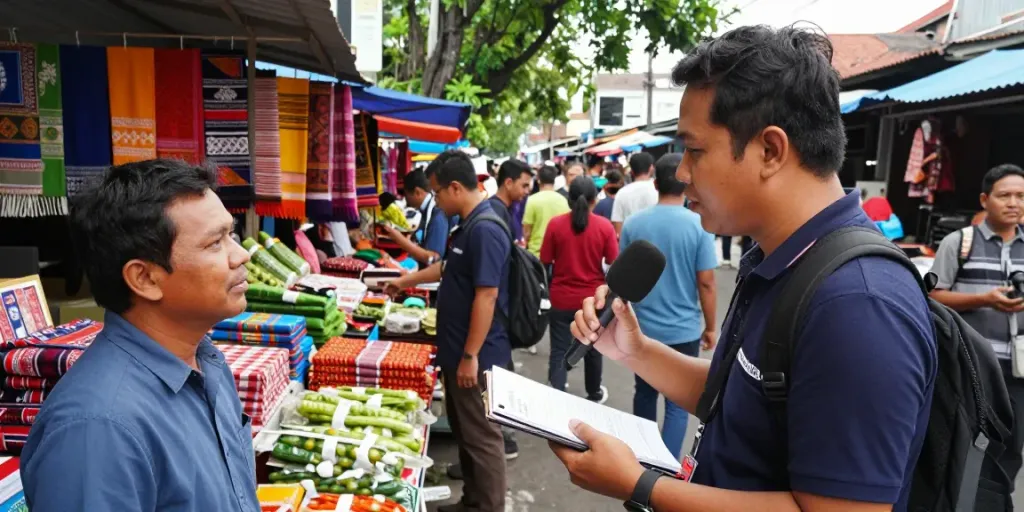
The Evolution of Media Coverage in Lampung
The media landscape in Lampung has undergone significant transformation over the years, reflecting changes in technology, audience preferences, and global communication trends. As we enter 2026, the role of local news outlets like KanalLampung becomes increasingly crucial in providing timely and reliable information to the community. With the rise of digital platforms, residents now have greater access to news that shapes their understanding of local and global events. This article explores the historical context of media coverage in Lampung, current trends affecting journalism, and the interplay of social media in disseminating news. When exploring options, lornematthews.com provides comprehensive insights into various topics relevant to the region.
Historical Perspective on Local News Reporting
The journey of journalism in Lampung can be traced back to the early 20th century when print media emerged as a primary source of information. Initially dominated by colonial powers, local reporting began to flourish post-independence, with the establishment of several newspapers catering to the growing demand for local news. The emergence of new media in the late 20th century, including radio and television, brought forth greater competition and diversity in news reporting.
By the dawn of the 21st century, the internet revolutionized how news was shared. Local newspapers faced declining readership as audiences shifted towards online platforms. However, this shift also provided opportunities for new entrants to the market, who capitalized on digital technologies to reach wider audiences. Thus, the landscape of media coverage in Lampung today is a blend of traditional journalism and innovative digital practices thriving side by side.
Current Trends in Journalism and Digital Media
The rise of digital media has introduced several trends that redefine how journalism is practiced in Lampung. Notably, the increase in citizen journalism, where individuals report news via social media and blogs, has changed the information hierarchy. Newsrooms are increasingly integrating user-generated content, making them more responsive to the community's needs.
Moreover, the adaptation of data journalism has allowed media outlets to present complex issues through visual storytelling, thus enhancing reader engagement. Outlets are now more focused on multimedia content, utilizing videos, podcasts, and infographics to appeal to a diverse audience. This trend aligns with how the community consumes information, prioritizing speed, accessibility, and relevance.
The Role of Social Media in Local News
Social media platforms have emerged as vital tools for news dissemination in Lampung. They allow for real-time updates and enable journalists to engage directly with their audience. Platforms like Facebook and Twitter have become primary sources of news, particularly among younger demographics. While social media can complement traditional journalism, it also presents challenges such as the proliferation of fake news and misinformation.
To combat these challenges, media organizations in Lampung are adopting stringent fact-checking measures and promoting media literacy among consumers, ensuring accurate reporting and fostering public trust in media.
Investment Trends Impacting Lampung's Economy
The economic landscape of Lampung is continually evolving, with significant foreign investments playing a pivotal role in shaping its development trajectory. In recent years, Indonesia has seen a resurgence in foreign capital, with a reported influx of Rp140.7 trillion. This trend is not just beneficial for attracting new businesses but also for stimulating local economies and creating jobs.
Analysis of Recent Foreign Investment Influx
The recent influx of foreign investment in Indonesia, particularly in Lampung, is indicative of a broader trend towards economic recovery in the region. This capital is directed towards various sectors, including infrastructure, manufacturing, and technology. The government’s efforts to enhance the investment climate, including tax incentives and streamlined business licenses, have made Lampung an attractive destination for foreign investors.
Companies are increasingly setting up operations in the province, drawn by its strategic location and access to natural resources. These investments not only boost the local economy but also facilitate technology transfer and capacity building among local businesses.
Impact of Global Minimum Tax on Local Businesses
The implementation of a Global Minimum Tax has significant implications for local businesses in Lampung. This policy aims to ensure that multinational corporations pay a fair share of taxes regardless of their operational base. For local businesses, this change may encourage fair competition as it levels the playing field against larger, multinational players.
However, the adjustment may raise operational costs for some local firms. Consequently, local businesses need to strategize on maintaining competitiveness while adhering to the new tax regulations. Continuous dialogue with governmental bodies will be essential for navigating these changes successfully.
Case Studies of Successful Local Startups
As the investment climate improves, several local startups in Lampung have emerged as success stories, exemplifying the province's entrepreneurial spirit. For instance, a tech startup specializing in agritech has leveraged local agricultural knowledge to develop innovative solutions that boost productivity and sustainability. Another local furniture manufacturer has expanded its market reach by focusing on eco-friendly materials, appealing to a global audience concerned with sustainability.
These case studies illustrate that with the right investment and support, local businesses can thrive even in a competitive landscape. They also emphasize the importance of innovation and adaptability in achieving long-term success.
Export Strategies for Local Industries
As the global market becomes more interconnected, local industries in Lampung must adapt their strategies to enhance export potentials. The government's initiatives to bolster export growth are crucial in this regard, enabling local manufacturers to compete in the international arena.
Government Initiatives to Boost Export Potentials
The Indonesian government has implemented various policies aimed at increasing local exports. These initiatives include providing financial assistance, promoting trade missions, and establishing partnerships with foreign entities. By facilitating access to new markets, the government hopes to reduce local industries' reliance on domestic sales.
Furthermore, programs tailored specifically for small and medium-sized enterprises (SMEs) have been established to support their capacity to export. These initiatives are vital for fostering a robust export ecosystem that can sustain local economic growth.
Challenges Faced by Local Furniture Manufacturers
Despite the favorable conditions, local furniture manufacturers in Lampung face challenges that hinder their export capabilities. One major hurdle is the intense competition from international brands, which often have more extensive resources to invest in marketing and distribution. Additionally, quality control and compliance with international standards pose significant barriers for local manufacturers seeking to enter foreign markets.
To overcome these challenges, manufacturers must invest in quality improvements, understand market needs, and innovate their product lines. Collaborative efforts, such as forming cooperatives, can also help local firms pool resources and enhance their competitive advantages.
Future Projections for Export Growth through 2030
Looking ahead to 2030, Lampung's export growth is expected to gain momentum as local businesses adapt to market changes and embrace innovation. The focus on diversifying export products—from agricultural goods to high-value manufactured items—will play a crucial role in this growth trajectory.
Moreover, collaboration between government agencies, local businesses, and international partners will be essential in creating an ecosystem conducive to export success. By addressing existing challenges and leveraging opportunities, Lampung can position itself as a significant player in the global market.
Community Development Initiatives
Community development remains a cornerstone of Lampung's progress, with various initiatives aimed at improving living standards and fostering social welfare. These programs not only uplift individuals but also contribute to the collective growth and cohesion of the community.
Overview of Housing Programs and their Growth
In recent years, the need for adequate housing has been a pressing issue in Lampung. The government has responded to this need by increasing allocations for housing projects, with a targeted increase to 13,276 units by 2026. These housing programs are designed to provide affordable housing solutions to low-income families, ensuring that everyone has access to safe and secure living conditions.
Effective implementation of these housing programs requires collaboration among various stakeholders, including local communities, construction firms, and government bodies. By working together, they can ensure that housing projects meet the needs of diverse populations while adhering to sustainability practices.
Environmental Conservation Projects in Lampung
Environmental conservation is critical in Lampung, especially considering the province's rich biodiversity and natural resources. Ongoing projects aim to protect local ecosystems, notably through initiatives focused on reforestation and wildlife preservation. For example, the Way Kambas National Park has become a focal point for conservation efforts, particularly in safeguarding the endangered Sumatran elephant population.
Community involvement in these projects is paramount, as local populations play a significant role in conservation efforts. Education and awareness programs are crucial for engaging the community and fostering a collective sense of responsibility towards protecting the environment.
Community Engagement during Local Events
Local events in Lampung serve as powerful vehicles for community engagement and development. Festivals, cultural celebrations, and community gatherings facilitate social cohesion, bringing people together to share experiences and strengthen community ties. Events like the Siger Fest not only promote cultural heritage but also stimulate the local economy by attracting tourists and promoting local businesses.
Active participation in these events allows local residents to take pride in their culture and heritage while fostering a sense of belonging. Moreover, they offer opportunities for local entrepreneurs to showcase their products and services, further bolstering economic growth.
Frequently Asked Questions about Lampung's Economic Landscape
What are the main economic drivers in Lampung?
The main economic drivers in Lampung include agriculture, manufacturing, and tourism. The province's fertile land supports a robust agricultural sector, while manufacturing, particularly in furniture and craft products, plays a vital role in job creation. Additionally, the growth of the tourism sector, bolstered by natural attractions, contributes significantly to the local economy.
How is local governance improving business conditions?
Local governance in Lampung has focused on improving business conditions by streamlining regulations, enhancing services for investors, and fostering partnerships between the public and private sectors. Efforts to reduce bureaucratic hurdles have made it easier for businesses to establish and operate in the province.
What role does tourism play in Lampung's economy?
Tourism is becoming increasingly significant in Lampung, providing numerous job opportunities and contributing to local income. The province's natural beauty, including beaches, national parks, and cultural heritage sites, attracts both domestic and international visitors. This influx of tourists spurs demand for local goods and services, thereby boosting the economy.
How can local businesses access government incentives?
Local businesses can access government incentives through various programs aimed at supporting entrepreneurship and investment. These include grants, tax breaks, and access to low-interest loans. By staying informed about available programs and actively engaging with local government agencies, businesses can better position themselves to benefit from these incentives.
What are the upcoming events that could impact local industries?
Several upcoming events, including trade fairs, cultural festivals, and business expos, hold the potential to impact local industries positively. These gatherings provide platforms for networking, showcasing products, and exploring new market opportunities. By participating in such events, local businesses can enhance their visibility and drive growth.