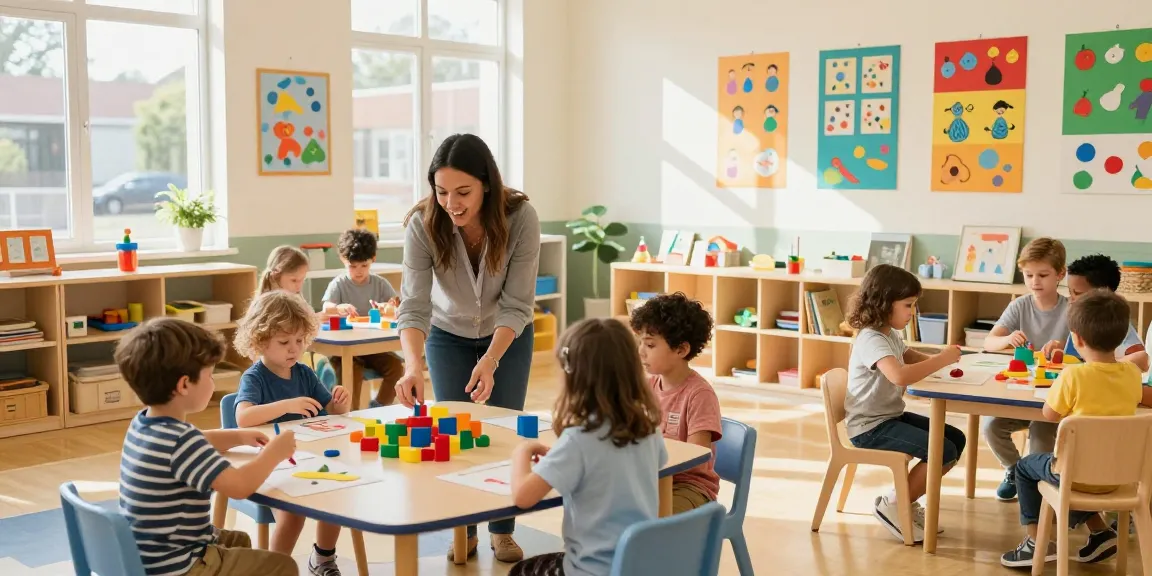
Understanding Pre Nursery Education in Singapore
Pre nursery education in Singapore serves as a vital foundation for children aged 18 months to 3 years. It is during these formative years that children are not only introduced to the world of learning but also begin to develop essential social, emotional, and cognitive skills that will serve them throughout their educational journey. With the increasing understanding of brain development research, it’s clear that the early years are critical for children's growth. When exploring options, pre nursery Singapore programs such as Pegasus International Preschool employ holistic approaches to shape curious, engaged learners.
What is Pre Nursery Education?
Pre nursery education refers to early childhood education programs designed for young children before they enter formal schooling. These programs typically focus on socialization, emotional development, and foundational learning skills through play-based activities. The aim is to create an engaging environment where children can learn through exploration and inquiry.
The Importance of Inquiry-Based Learning
Inquiry-based learning is a pedagogical approach that encourages children to ask questions, explore, and discover answers through hands-on experiences. This learning style is particularly effective in pre nursery settings, as it aligns with children's natural curiosity and desire to explore their environment. By fostering a love for learning and critical thinking skills, inquiry-based learning prepares children for future academic success and lifelong learning.
Key Benefits of Early Childhood Education
Engaging in early childhood education provides numerous benefits. Key advantages include:
- Socialization Skills: Children learn to interact with peers, fostering friendships and collaboration.
- Emotional Development: Early exposure helps children express feelings and manage emotions effectively.
- Critical Thinking: Inquiry-based activities promote problem-solving and analytical skills.
- Language Development: A rich language environment enhances vocabulary and communication skills.
Curriculum Framework for Pre Nursery in 2026
The curriculum framework for pre nursery education in 2026 is evolving to incorporate modern educational practices while keeping children's development in focus. It prioritizes inquiry-based learning, ensuring that children are engaged and excited about discovering new concepts.
Features of an Effective Curriculum
An effective pre nursery curriculum should include:
- Hands-on learning experiences that connect to real-world situations.
- Structured play that fosters creativity and imagination.
- Integrative approaches that blend various subjects, such as art and science.
- Regular assessments that help track developmental milestones.
Integrating Play and Learning
Play is an essential component of children's learning in pre nursery education. By integrating play into the curriculum, educators can create a dynamic learning environment where children can explore concepts through movement, creativity, and social interaction. This approach not only makes learning enjoyable but also solidifies understanding through experience.
Importance of Parental Involvement
Parental involvement is crucial in the pre nursery phase. It creates a support system that encourages children’s learning and development. By actively participating in school activities and maintaining open communication with educators, parents can enhance their child's educational experience. Schools like Pegasus International Preschool emphasize collaboration between parents and teachers to maximize children's potential.
Choosing the Right Pre Nursery for Your Child
Selecting the right pre nursery is an important decision that can influence your child's early education experience. Parents should consider several factors to ensure they make an informed choice.
Factors to Consider When Selecting a Pre Nursery
Key factors include:
- Curriculum Approach: Look for schools that follow inquiry-based or play-based learning methodologies.
- Staff Qualifications: Check the credentials and experience of educators.
- Facility Environment: A safe and stimulating environment is critical for effective learning.
- Teacher-Child Ratio: Smaller ratios ensure personalized attention for each child.
Comparative Insights of Leading Preschools
Comparing local preschools can provide clarity on what to expect. Factors such as curriculum focus, teaching methods, and facilities play a significant role in their effectiveness. Institutions like Pegasus International Preschool stand out with their emphasis on inquiry-based learning and a holistic approach that nurtures the mind, body, and spirit of children.
Visiting and Assessing Potential Schools
Before making a decision, it’s beneficial to visit potential schools. Observing the classroom environment, engaging with teachers, and assessing how children interact can provide invaluable insights into the school's ambiance and educational philosophy.
Creating a Supportive Learning Environment
A supportive learning environment plays a pivotal role in a child's development. An ideal setting encourages exploration and learning while ensuring emotional security.
The Role of Educators in Holistic Development
Educators are instrumental in creating a nurturing environment. They not only impart knowledge but also foster a sense of safety and belonging, enabling children to thrive. Trained professionals can identify individual learning styles and adapt their teaching methods accordingly, ensuring that each child's needs are met.
Home and School Collaboration for Best Outcomes
Building a bridge between home and school can significantly enhance a child's educational experience. Regular updates, parent-teacher meetings, and collaborative workshops foster a community where both parents and educators work together towards the child's growth.
Utilizing Outdoor Spaces for Exploration
Outdoor learning spaces provide ample opportunities for children to engage with nature and develop gross motor skills. Programs that incorporate outdoor exploration foster creativity, curiosity, and physical well-being, making education a holistic experience.
Future Trends in Pre Nursery Education
The landscape of pre nursery education is continually evolving. Staying abreast of trends can help parents make informed decisions about their child's early education.
Technological Integration in Early Learning
The integration of technology in early childhood education is becoming increasingly prominent. Interactive tools and resources can enhance learning experiences, promoting engagement and facilitating the development of digital literacy from a young age.
Sustainable Practices in Preschools
As awareness of environmental issues grows, many preschools are adopting sustainable practices. Teaching children about sustainability through hands-on projects and eco-friendly practices can instill a sense of responsibility towards the environment.
Preparing for a Diverse and Globalized World
In a multicultural society like Singapore, exposing children to diverse cultures is crucial. Preschools that celebrate differences and promote inclusivity help children develop respect and empathy for others, preparing them for a globalized future.
What is the enrollment process for pre nursery Singapore?
The enrollment process typically involves filling out an application form, submitting necessary documents, and possibly attending an interview or orientation session. Each preschool may have its specific requirements, so it's advisable to check directly with the institution.
How does inquiry-based learning benefit young children?
Inquiry-based learning benefits young children by encouraging them to be active participants in their education. This method nurtures critical thinking, creativity, and independence, allowing children to explore their interests and develop a deeper understanding of various subjects.
What should parents look for in a pre nursery curriculum?
Parents should seek a curriculum that emphasizes interactive and inquiry-based learning, supports emotional and social development, and includes a variety of subjects. A focus on play and exploration should be central to any pre nursery program.
How can parents actively support their child’s learning?
Parents can actively support their child's learning by engaging in educational activities at home, encouraging curiosity, and maintaining open communication with teachers. Participation in school events and collaborations also reinforces a child’s learning experience.
What are the upcoming trends in early childhood education?
Upcoming trends in early childhood education include the use of technology, an emphasis on social-emotional learning, and sustainable practices. These trends aim to create holistic educational experiences that prepare children for a rapidly changing world.