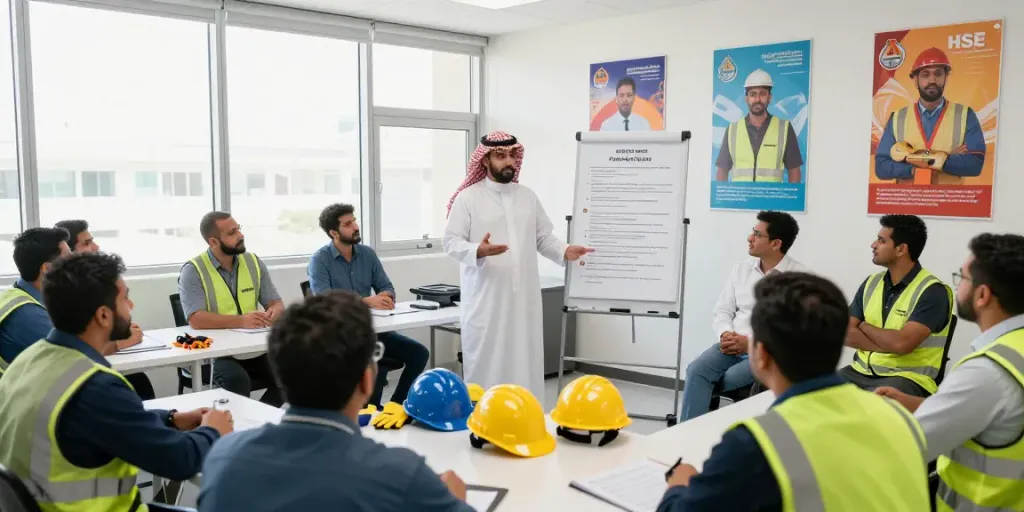
The Importance of Choosing a Top Training Institute in Saudi Arabia
In today's fast-paced and competitive job market, Health, Safety, and Environment (HSE) training have become essential for professionals across various industries, particularly in Saudi Arabia. As the nation continues to grow economically, the need for effective safety practices and compliance with international standards has never been greater. Selecting a reputable training institute is crucial in ensuring that individuals and organizations can meet these increasing demands. When exploring options, Training Institute Saudi Arabia provides comprehensive insights into the best programs and certifications available.
Understanding HSE Training Needs
The primary goal of HSE training is to equip individuals with the necessary skills and knowledge to prevent workplace accidents and ensure safe operational practices. As industries like oil and gas, construction, and manufacturing expand, the need for specialized training that adheres to local and international safety regulations is paramount. Each sector has unique challenges; hence, tailored HSE training programs are vital for compliance and performance enhancement.
Key Standards and Certifications Offered
Top training institutes in Saudi Arabia offer a variety of certifications to meet industry needs, including:
- National Fire Protection Association (NFPA)
- ProQual (UK) diplomas
- IOSH Managing Safely
- ISO 9001:2015, ISO 14001:2026, ISO 45001:2018 certifications
These certifications are designed to enhance understanding of safety principles, risk management, and environmental responsibilities within the workplace.
Benefits of Accredited Training Programs
Enrolling in accredited training programs ensures that participants receive quality education that meets industry standards. Key benefits include:
- Enhanced employability and career advancement opportunities.
- Access to international qualifications that are recognized globally.
- Improved workplace safety and regulatory compliance.
Top HSE Certifications Available at Training Institutes in Saudi Arabia
Overview of NFPA and ProQual Certifications
Institutions like Burraq Consulting offer certifications from recognized bodies such as the National Fire Protection Association (NFPA) and ProQual (UK). The NFPA certifications focus on fire safety and risk management, which are critical in high-risk industries. ProQual offers various diplomas at levels 3, 6, and 7, focusing on strategic health and safety management, sustainability, and environmental management.
NVQ Diplomas and Their Relevance
National Vocational Qualifications (NVQ) are essential credentials for professionals working in safety-critical roles. The NVQ Level 6 Diploma in Occupational Health and Safety Practice is particularly relevant for those seeking to enhance their expertise in managing health and safety practices within their organizations.
Understanding International Safety Certifications
Many training institutes also provide access to international safety certifications, such as the American Society of Safety Professionals (ASP) and Certified Safety Professional (CSP) certifications. These qualifications are highly regarded and demonstrate a commitment to maintaining high safety standards within the workplace.
Effective Strategies for Selecting the Right Training Institute
Evaluating Course Offerings and Curriculum
When choosing a training institute, potential students should evaluate the course offerings and curriculum. Ensure that the programs provide hands-on experience and cover a comprehensive range of HSE topics relevant to your field.
Assessing Trainer Qualifications and Experience
The qualifications and experience of trainers play a crucial role in the effectiveness of the training. Choose institutes that employ industry-experienced trainers with appropriate credentials to deliver the courses.
Importance of Flexible Training Options
Flexible training options, including online and on-site courses, are essential for accommodating different learning styles and schedules. Opt for institutes that provide customizable training solutions to fit your specific needs.
Trends in HSE Training for 2026 and Beyond
Emerging Technologies in Safety Training
As the industry evolves, incorporating emerging technologies into training programs is becoming increasingly important. Virtual reality (VR) and augmented reality (AR) are being used to simulate real-life scenarios, providing immersive learning experiences that enhance safety awareness and practical skills.
Shift Towards Online and Hybrid Learning Models
The trend towards online and hybrid learning models is transforming how HSE training is delivered. These models offer greater accessibility for learners across Saudi Arabia, enabling them to participate in courses from any location at their convenience.
Future Skills Required in the HSE Sector
As the demand for skilled HSE professionals grows, future training programs must focus on developing soft skills such as communication, leadership, and teamwork alongside technical expertise. Organizations need professionals who can navigate complex challenges while fostering a safety-first culture.
Frequently Asked Questions about HSE Training in Saudi Arabia
What are the key benefits of HSE training?
HSE training significantly reduces workplace accidents, ensuring compliance with regulations and enhancing overall organizational safety culture. It prepares employees to identify and manage risks effectively, promoting a safe working environment.
How do I choose the best training institute?
When selecting a training institute, consider factors such as accreditation, course offerings, trainer qualifications, and student feedback. Additionally, look for institutes that provide flexible training options and tailored programs.
What certifications are most recognized in the industry?
The most recognized certifications vary by industry but generally include those from the NFPA, ProQual, IOSH, and various ISO standards, which are crucial for demonstrating competency in health and safety practices.
What is the duration of typical HSE courses?
The duration of HSE courses can vary widely, typically ranging from one day for introductory programs to several weeks or months for comprehensive diplomas and certifications. Check with specific training institutes for their course timelines.
Are there online options for HSE training?
Yes, many institutes offer online HSE training programs, ensuring accessibility to learners throughout Saudi Arabia. These online courses often include interactive elements and live instructor support to enhance the learning experience.