The Untapped Potential: Why AI Automation Isn't Just a Trend, It's a Necessity
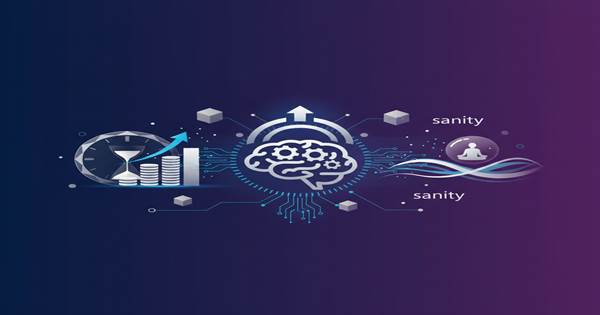
In today's fast-paced business landscape, the mantra of "do more with less" echoes louder than ever. Companies are constantly seeking innovative ways to boost productivity, reduce costs, and maintain a competitive edge. Enter AI automation – a game-changer that's swiftly moving from futuristic concept to essential business strategy. It’s not just about technology; it’s about fundamentally reshaping how we work, freeing up human potential, and ultimately, saving businesses time, money, and yes, even their sanity.
Many business owners, especially those running small to medium-sized enterprises or burgeoning startups, might view AI automation as a complex, expensive endeavor reserved for tech giants. This couldn't be further from the truth. The democratization of AI tools has made sophisticated automation accessible to businesses of all sizes, offering tangible benefits that directly impact the bottom line and employee well-being. This article will delve into the compelling business case for embracing AI automation, exploring its multifaceted advantages and offering practical advice for implementation.
Reclaiming Time: The Most Precious Commodity
Time is finite, and for businesses, wasted time translates directly into lost opportunities and revenue. AI automation excels at streamlining repetitive, time-consuming tasks that often bog down employees and divert them from more strategic initiatives. Think about the hours spent on data entry, scheduling, customer support queries, or even drafting routine communications. These are prime candidates for AI intervention.
Consider the impact on administrative tasks. AI-powered tools can automate invoice processing, expense reporting, and document management, drastically reducing the manual effort involved. This doesn't just speed things up; it also minimizes human error, leading to greater accuracy and fewer costly corrections down the line. For a small business, this could mean the difference between one administrative assistant managing all tasks or needing to hire additional staff.
In sales and marketing, AI automation can revolutionize lead qualification, email outreach, and content scheduling. Instead of manually sifting through prospects, AI can identify high-potential leads based on predefined criteria, allowing sales teams to focus their efforts where they matter most. Automated email sequences can nurture leads around the clock, ensuring consistent communication without constant human intervention. This frees up marketers to focus on creative strategy, campaign development, and brand building, rather than repetitive execution.
The concept of "virtual offices" is increasingly intertwined with AI automation. With AI handling many of the routine operational tasks, teams can operate more efficiently regardless of their physical location. This flexibility is not just a perk; it's a strategic advantage, enabling businesses to tap into a wider talent pool and reduce overhead associated with traditional office spaces. AI acts as an invisible, tireless assistant, ensuring the gears of the business continue to turn smoothly, even when human teams are distributed. Platforms like AI Workers are leading this transformation.
Boosting the Bottom Line: Saving Money Through Efficiency
While the initial investment in AI automation might seem like an added cost, the long-term financial benefits are substantial. The most obvious saving comes from reduced labor costs. By automating tasks, businesses can optimize their workforce, allowing existing employees to focus on higher-value activities or, in some cases, reducing the need for additional hires. This isn't about replacing people; it's about augmenting their capabilities and making human talent more impactful.
Beyond direct labor cost savings, AI automation significantly reduces operational expenses. Fewer errors mean less time and money spent on rectifying mistakes. Optimized resource allocation, driven by AI-powered analytics, can lead to more efficient inventory management, reduced waste, and better forecasting. For example, AI in supply chain management can predict demand more accurately, preventing overstocking or stockouts, both of which incur significant costs.
Customer service is another area where AI delivers considerable cost savings. AI-powered chatbots and virtual assistants can handle a large volume of routine customer inquiries 24/7, reducing the need for extensive human support staff. This not only lowers payroll costs but also improves customer satisfaction by providing instant responses. Complex queries can still be escalated to human agents, but the AI handles the first line of defense, ensuring human agents are reserved for genuinely challenging situations.
Consider the "AI worker" concept. These aren't robots in human form, but rather intelligent software agents that can perform specific tasks autonomously. From data analysis to report generation, these AI workers can execute tasks with speed and precision far exceeding human capabilities, often at a fraction of the cost of a human employee. This allows businesses to scale operations without proportionally increasing their headcount, a critical factor for growth-focused startups. The financial implications are clear: more output for less input.
Preserving Sanity: Reducing Stress and Enhancing Employee Satisfaction
The impact of AI automation extends beyond mere financial metrics; it profoundly affects the human element within a business. Repetitive, mundane tasks are a major source of employee burnout and dissatisfaction. When AI takes over these tedious duties, employees are freed to engage in more creative, strategic, and fulfilling work. This shift not only boosts morale but also fosters an environment where innovation can thrive.
Imagine an employee who spends hours each week manually entering data into spreadsheets. This task is not only soul-crushing but also prone to errors. When AI automates this, that employee can now dedicate their time to analyzing the data, identifying trends, and developing actionable insights – work that is far more engaging and valuable to the company. This transformation from "data entry clerk" to "data analyst" is a powerful motivator.
For founders and business owners, AI automation can be a lifesaver. The sheer volume of tasks and decisions required to run a business can be overwhelming. Automating routine processes frees up mental bandwidth, allowing leaders to focus on strategic vision, business development, and navigating complex challenges rather than getting bogged down in day-to-day minutiae. This reduction in cognitive load directly contributes to better decision-making and a healthier work-life balance for those at the helm.
Moreover, consistent processes facilitated by AI reduce inconsistencies and the need for constant oversight. This creates a more predictable and less stressful work environment. Employees know what to expect, and managers can trust that automated processes are running smoothly in the background, reducing the need for micro-management and fostering a culture of autonomy and trust. The overall effect is a calmer, more productive, and more innovative workplace where human potential is maximized.
Leveraging AI for Business Case Automation: A Practical Approach
Implementing AI automation doesn't have to be an all-or-nothing endeavor. A strategic, phased approach is often the most effective. The key is to start small, identify pain points, and then scale up. For example, Chatty – the AI support agent demonstrates exactly how this works in practice.
First, identify repetitive, rule-based tasks that consume significant time and resources. These are your low-hanging fruit. Think about customer support FAQs, lead qualification, social media scheduling, or internal reporting. Any task that follows a predictable pattern and involves data manipulation is a strong candidate for automation. Involve your team in this identification process; they are often best placed to highlight the most frustrating and time-consuming aspects of their roles.
Next, research accessible AI tools. There’s a vast ecosystem of platforms designed for specific automation needs, from advanced analytics to natural language processing and robotic process automation (RPA). Many offer user-friendly interfaces and competitive pricing models, making them accessible even for businesses without a dedicated IT department. Focus on solutions that integrate well with your existing systems to minimize disruption.
Pilot your automation efforts. Don't try to automate everything at once. Select one or two high-impact areas and implement an AI solution on a small scale. Monitor the results closely, gather feedback from employees, and iterate. This allows you to learn, refine your approach, and build confidence before rolling out automation more broadly. It also helps in building a robust business case for further investment by demonstrating tangible ROI.
Consider the ethical implications and employee training. While AI takes over tasks, it’s crucial to communicate clearly with your team about the purpose of automation – to empower them, not replace them. Invest in training your employees to work alongside AI, leveraging its capabilities rather than feeling threatened by it. This might involve teaching them how to use new AI tools or upskilling them for more analytical and strategic roles that AI can't perform. This proactive approach fosters acceptance and collaboration.
The Future is Automated: Embracing AI for Sustainable Growth
The business world is in constant flux, and adaptability is paramount. AI automation is not a fleeting trend but a fundamental shift in how businesses operate. Those who embrace it early will gain a significant competitive advantage, while those who lag behind risk being outmaneuvered. The benefits – saving time, money, and preserving the well-being of both employees and leaders – create an undeniable business case.
By strategically integrating AI into your operations, you’re not just optimizing processes; you're building a more resilient, efficient, and innovative organization. You're empowering your human talent to focus on creativity, critical thinking, and complex problem-solving – areas where human intelligence truly shines. The synergy between human ingenuity and AI efficiency is the recipe for sustainable growth and long-term success in the modern era.
Conclusion: A Smarter Way to Work
The argument for AI automation in business is compelling and multifaceted. It's about more than just technology; it's about intelligent resource allocation, strategic growth, and fostering a more engaging work environment. By meticulously identifying areas for automation, leveraging accessible tools, and prioritizing employee integration, businesses can unlock significant efficiencies, reduce costs, and empower their teams. Embracing AI automation isn't just about keeping up; it's about leading the way to a smarter, more productive, and ultimately, saner way of doing business. The future of work is here, and it's powered by AI.