The Importance of Precision in Aerospace CNC Machining
In the aerospace industry, precision is not just a buzzword; it is a fundamental requirement that can determine the safety and reliability of aircraft systems. CNC (Computer Numerical Control) machining has become the preferred method for manufacturing components in this highly regulated field. Since 2003, Honscn has focused on delivering professional CNC machining services tailored to the aerospace sector, emphasizing precision parts development and on-demand production for custom aerospace prototypes and production parts. When exploring options, leading aerospace cnc parts manufacturers provide comprehensive insights that help companies maintain stringent standards.
Understanding Aerospace Standards and Regulations
The aerospace industry is subject to numerous standards and regulations, including AS9100 and ISO 9001, which govern quality management systems. These standards ensure that manufacturers meet strict criteria when producing parts that will be subjected to extreme conditions. Compliance with these regulations not only enhances product reliability but also fosters trust among customers and regulatory bodies alike.
Benefits of Precision Parts in Aerospace Applications
- Safety: Precision machining minimizes the risk of failures that can occur with less accurate parts.
- Performance: High-tolerance components improve aircraft efficiency and overall performance.
- Cost-Effectiveness: Efficient manufacturing processes reduce waste and lower costs while maintaining quality.
Common Materials Used in Aerospace CNC Machining
Manufacturers utilize a wide variety of materials in aerospace CNC machining, including more than 35 types of metals and plastics. Some of the most commonly used metals include titanium, aluminum, and stainless steel, which offer excellent strength-to-weight ratios. On the other hand, plastics such as PEEK and PTFE are favored for components that require chemical resistance and lightweight properties.
Key Techniques Employed by Leading Aerospace CNC Parts Manufacturers
As the demand for precision aerospace components grows, manufacturers have turned to advanced technologies to meet industry challenges. The integration of automation and robotics into the CNC machining process not only enhances productivity but also ensures consistent quality across batches.
Advanced CNC Technology and Its Role
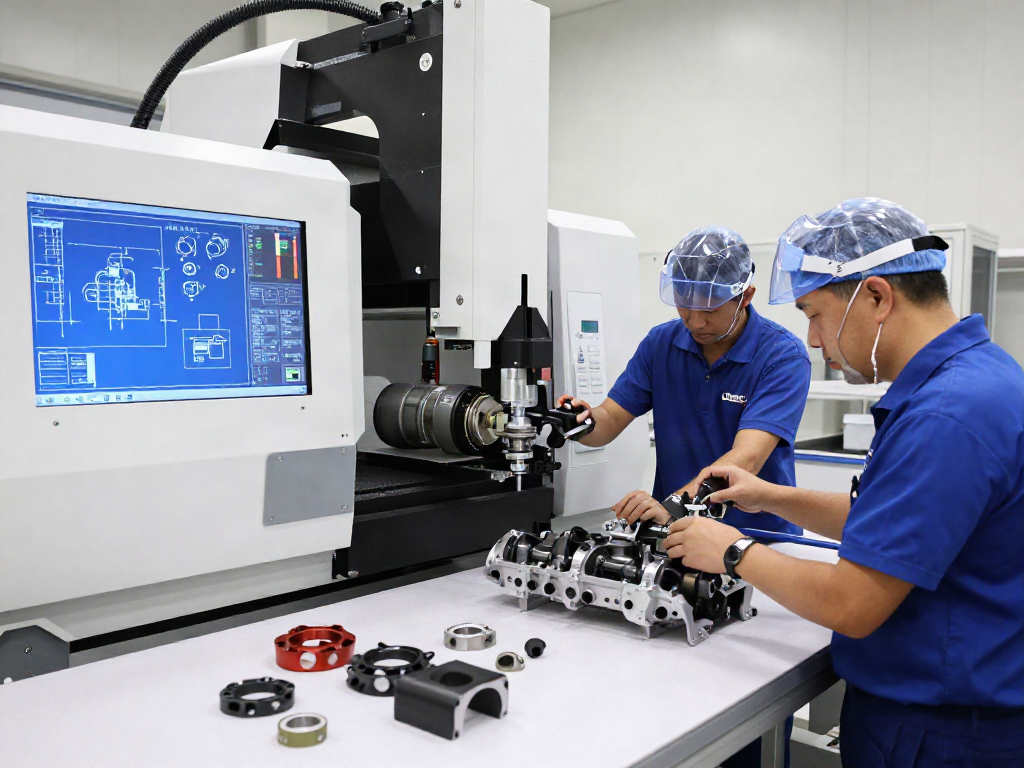
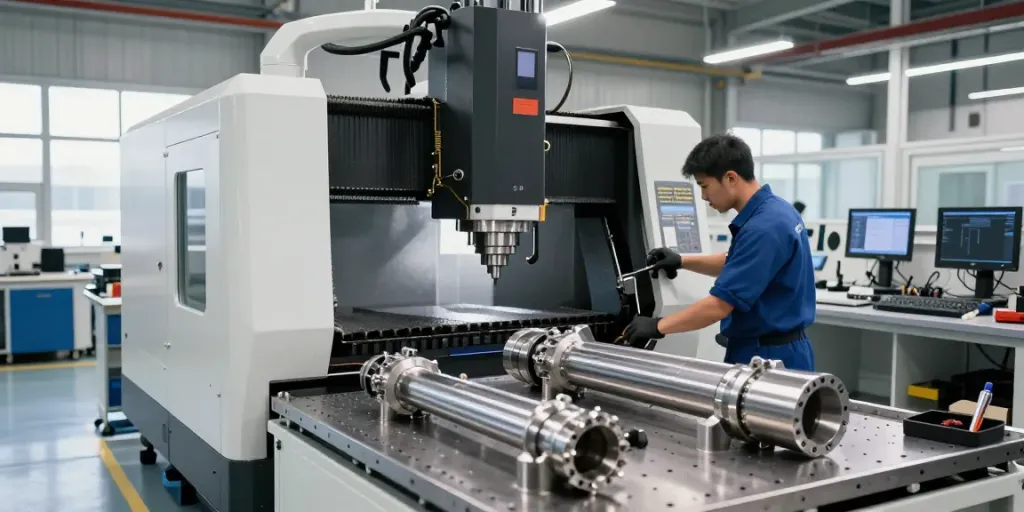
The latest CNC machinery incorporates state-of-the-art software, allowing manufacturers to design intricate components with ease. Features such as 5-axis machining enable complex geometries to be produced in a single setup, reducing lead times and improving efficiency.
Best Practices for Metal and Plastic Machining
Leading manufacturers prioritize best practices in both metal and plastic machining. For metal machining, maintaining a clean work environment and using high-quality cutting tools are essential. In plastic machining, controlling temperature and feed rates can prevent material deformation and ensure dimensional accuracy.
Quality Control Measures in Aerospace Manufacturing
Quality control is integral to aerospace machining. Manufacturers implement rigorous inspection processes that include the use of coordinate measuring machines (CMM), laser scanning, and other advanced technologies to verify that components meet design specifications. These measures provide documentation that is often required for regulatory compliance.
Challenges Faced in Aerospace CNC Machining
Despite advancements, the aerospace sector faces numerous challenges in CNC machining, primarily due to the complexity of components and stringent regulations.
Common Misconceptions about CNC Precision
A common misconception is that CNC machining guarantees perfection. In reality, while CNC technology significantly enhances precision, the quality of input materials and process parameters remains critical. Misunderstanding this can lead to production flaws that jeopardize safety and performance.
Addressing Material Limitations and Workability
Each material presents its own challenges. For instance, while titanium is lauded for its strength, it can also be difficult to machine due to its toughness. Understanding material workability is crucial for selecting the right machining techniques and tools to prevent issues such as tool wear or part deformation.
Overcoming Production Delays in Aerospace Projects
Production delays can be devastating in the aerospace industry. Factors such as supply chain disruptions, equipment failures, and regulatory compliance can hinder timelines. To mitigate these risks, manufacturers are adopting lean manufacturing principles and investing in predictive maintenance technologies to ensure smoother operations.
Case Studies: Successful Aerospace Parts Manufacturing
Real-world applications of CNC machining in aerospace illustrate the effectiveness of advanced manufacturing techniques.
Innovative Approaches in Real-World Applications
For example, a leading aerospace manufacturer utilized 3D printing combined with CNC machining to develop lightweight components for commercial jets. This hybrid approach not only reduced weight but also shortened production cycles.
Lessons from Top Aerospace Manufacturers
Successful aerospace manufacturers emphasize continuous improvement and adaptability. Case studies reveal that organizations that invest in employee training and advanced technologies outperform competitors who do not prioritize these areas.
Impact of CNC Machining on Aerospace Innovations
Innovation in CNC machining technologies has led to the development of new materials and processes that enhance performance. For instance, additive manufacturing techniques integrated with CNC machining are paving the way for more complex designs that were previously unattainable.
Future Trends in Aerospace CNC Machining (2026 and Beyond)
As the aerospace industry evolves, several key trends are emerging that are expected to shape the future of CNC machining.
Emerging Technologies Shaping the Industry
Automation and artificial intelligence (AI) are set to revolutionize aerospace CNC machining. AI-driven analytics can optimize machining processes in real-time, leading to reduced waste and improved efficiency.
Sustainability Practices in Aerospace Manufacturing
Sustainability is becoming increasingly important in aerospace manufacturing. Companies are looking for ways to reduce their environmental footprint, such as by implementing recycling programs and utilizing bio-based materials in parts manufacturing.
Predicted Market Growth for Aerospace CNC Components
According to industry forecasts, the demand for CNC machined parts in aerospace is expected to grow steadily through the next decade, driven by advancements in aerospace technologies and an increase in air travel.
How Industry Leaders Are Adapting to Future Challenges?
Industry leaders are focusing on strategic partnerships and collaboration across the supply chain to address future challenges. By sharing resources and knowledge, they can enhance innovation and reduce costs.
What Are the Key Developments to Watch?
Key developments to watch include the integration of machine learning in CNC operations and the adoption of advanced materials that can withstand more extreme conditions. These advancements will play a significant role in determining the future landscape of aerospace manufacturing.