Understanding Aerospace CNC Machining
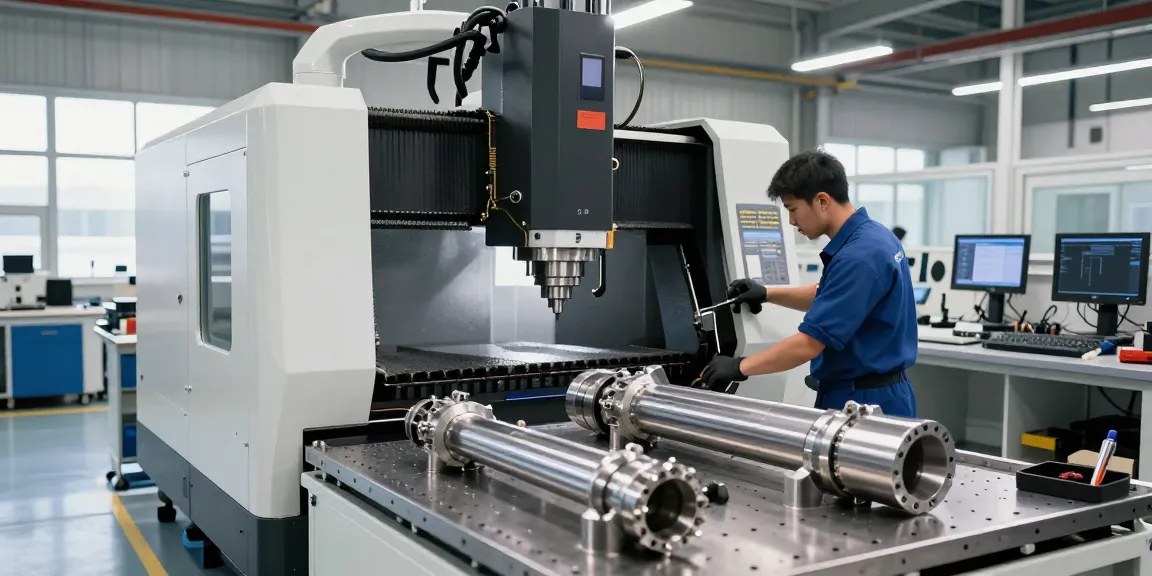
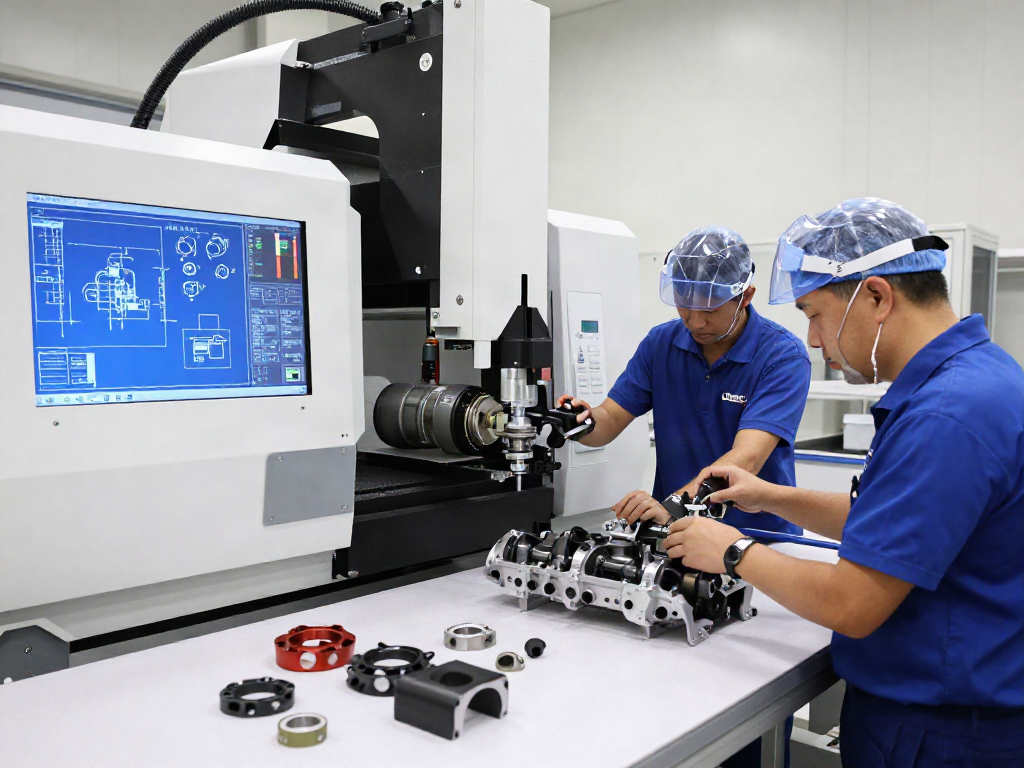
Aerospace CNC machining is a pivotal process that underpins the production of high-precision components within the aerospace industry. The fusion of advanced technology and stringent quality standards ensures that manufactured parts meet the demanding requirements of flight and space exploration. As the aerospace sector continues to evolve, understanding the nuances of CNC machining becomes increasingly vital for manufacturers looking to maintain a competitive edge. When exploring options, leading aerospace cnc parts manufacturers provide comprehensive insights into best practices and innovations in the field.
What is CNC Machining in Aerospace?
CNC machining, or Computer Numerical Control machining, refers to the automated control of machining tools via computers executing pre-programmed sequences. In aerospace, this technology is crucial for producing components with complex geometries and high tolerances required for safety and performance. Machined components, from turbine blades to fuselage parts, are manufactured to exact specifications using various materials including aluminum, titanium, and composite materials. The ability to produce intricate designs efficiently makes CNC machining a linchpin in modern aerospace manufacturing.
The Importance of Precision in Aerospace Manufacturing
Precision is non-negotiable in aerospace manufacturing, where even the smallest deviations can lead to catastrophic failures. Components must adhere to stringent tolerances and safety standards, as outlined by regulatory bodies like the Federal Aviation Administration (FAA) and the European Union Aviation Safety Agency (EASA). The aerospace supply chain, often interdependent and global, further amplifies the need for precision. Manufacturers leverage advanced CNC technologies, including multi-axis machining, to produce parts that not only meet but exceed these stringent requirements.
Key Technologies Used in Aerospace CNC Machining
- 5-Axis Machining: This technology allows for the machining of complex geometries in a single setup, drastically reducing production time and increasing accuracy.
- Electrode Machining: It is used in manufacturing complex molds and dies, ideal for aerospace components.
- Hybrid Manufacturing: Combining additive and subtractive processes to optimize material use and machining efficiency.
- Automation and Robotics: These technologies enhance production capabilities, ensuring consistency and reducing human error.
Top Leading Aerospace CNC Parts Manufacturers in 2026
Overview of Leading Companies in the Industry
The aerospace CNC machining sector is populated by numerous manufacturers, with some standing out due to their reputation, innovation, and advanced capabilities. Companies like Boeing, Lockheed Martin, and Spirit AeroSystems lead the charge, pioneering technologies that ensure safety and efficiency. Additionally, Precision Advanced Manufacturing specializes in CNC machining and assemblies that comply with AS9100 and ITAR standards, reinforcing the critical nature of regulatory compliance in aerospace operations.
Market Share and Competitive Analysis
The competitive landscape of aerospace CNC machining is influenced by market demands and technological advancements. Major players, including Tucker Industries and Quality Tool & Stamping, maintain significant market shares through their focus on quality, innovation, and strategic partnerships within the industry. Understanding the financial performance and market positioning of these companies can provide valuable insights for stakeholders and potential investors.
Case Studies of Successful Aerospace Part Producers
Exploring the success stories of aerospace CNC parts manufacturers highlights the innovative practices that drive the industry forward. For instance, Kachi Precision Manufacturing has leveraged AI-driven technologies to optimize its CNC processes, resulting in enhanced productivity and reduced waste. Such case studies not only showcase best practices but also provide a roadmap for emerging companies striving to establish their foothold in the aerospace market.
Quality Standards and Compliance in Aerospace Manufacturing
Understanding AS9100 and Its Implications
AS9100 is the international quality management system standard specifically for the aerospace industry. It emphasizes continuous improvement, defect prevention, and the reduction of variation and waste in the supply chain. Compliance with AS9100 is not just a regulatory requirement; it is essential for manufacturers aiming to compete in the global aerospace market. Companies that achieve this certification gain a distinct advantage by demonstrating their commitment to quality.
Role of ITAR Compliance in Aerospace Manufacturing
The International Traffic in Arms Regulations (ITAR) governs the export and import of defense-related articles. Compliance with ITAR is paramount for aerospace manufacturers who deal with military contracts or technologies. Failure to comply can result in severe penalties, including loss of contracts and operational shutdowns. Therefore, understanding and implementing ITAR regulations is integral to maintaining operational integrity and customer trust in the aerospace sector.
Best Practices for Meeting Quality Assurance Requirements
- Regular Training: Continuous employee education on quality standards helps maintain high levels of adherence to compliance requirements.
- Quality Audits: Routine audits ensure that processes align with both AS9100 and ITAR standards, facilitating early detection of potential issues.
- Supplier Management: Developing strong relationships with suppliers who are also AS9100 certified can enhance overall product quality.
Challenges Faced by Aerospace CNC Parts Manufacturers
Addressing Labor and Skill Shortages in the Industry
As the demand for skilled workers in aerospace manufacturing rises, the industry faces a critical labor shortage. This challenge is compounded by outdated perceptions of manufacturing careers, which often discourage younger generations from pursuing jobs in this sector. Companies are now investing in training programs and partnerships with educational institutions to equip the next generation of engineers and machinists with the skills needed to thrive in aerospace CNC machining.
Navigating Supply Chain Disruptions
Supply chain disruptions have become increasingly common, with factors like geopolitical tensions and global pandemics contributing to delays and shortages. Aerospace manufacturers must adopt agile supply chain strategies to mitigate risks, including diversifying suppliers and incorporating advanced forecasting technologies. Such adaptability is critical for ensuring timely delivery of components and maintaining production schedules.
Technological Adaptations to Overcome Challenges
The aerospace industry is rapidly adopting new technologies to overcome traditional barriers. Innovations like the Internet of Things (IoT) and artificial intelligence (AI) are being utilized to enhance operational efficiencies and predictive maintenance. By leveraging these technologies, manufacturers can reduce downtime, improve quality, and ultimately, enhance customer satisfaction.
Future Trends in Aerospace CNC Machining
Emerging Technologies Impacting the Industry
As we look ahead, several emerging technologies are poised to reshape aerospace CNC machining. Additive manufacturing, or 3D printing, is increasingly integrated alongside traditional machining processes, enabling manufacturers to create more complex parts with less material wastage. Additionally, advancements in machine learning are facilitating smarter manufacturing processes, allowing for better predictive analytics and decision-making.
Predictions for Aerospace Manufacturing in 2026
By 2026, aerospace manufacturing is expected to experience significant growth fueled by increased demand for sustainable aviation solutions. The push towards more fuel-efficient aircraft and alternative energy sources will drive innovation in CNC machining techniques and materials. Furthermore, the integration of digital twins in the manufacturing process will lead to enhanced efficiency and reduced design cycle times.
How to Stay Ahead: Strategies for Manufacturers
- Invest in R&D: Continuous investment in research and development is essential for staying competitive, especially in the face of rapid technological advancements.
- Focus on Sustainability: As regulations tighten around environmental impacts, manufacturers must adopt sustainable practices to meet both compliance and customer expectations.
- Leverage Data Analytics: Utilizing data analytics to inform production decisions can significantly enhance operational efficiency and reduce costs.
What are the top aerospace CNC parts manufacturers?
In 2026, the landscape of top aerospace CNC parts manufacturers includes industry leaders like Boeing, Lockheed Martin, and emerging players such as NMG Aerospace, who are pushing the boundaries of innovation and quality.
How do aerospace manufacturers ensure compliance?
Aerospace manufacturers ensure compliance through rigorous adherence to standards like AS9100 and ITAR, coupled with regular audits and employee training. Building strong supplier partnerships also plays a crucial role in meeting compliance requirements.
What challenges do leading aerospace manufacturers face?
Leading aerospace manufacturers face challenges such as skill shortages, supply chain disruptions, and the need to adapt rapidly to technological changes, all while maintaining high standards of quality and safety.
What technologies are shaping the future of aerospace manufacturing?
Technologies such as additive manufacturing, IoT, AI, and machine learning are shaping the future of aerospace manufacturing, enabling more efficient processes and innovative design capabilities.
How can manufacturers adapt to changing market demands?
Manufacturers can adapt to changing market demands by investing in R&D, adopting flexible production techniques, and utilizing data analytics to forecast trends and optimize operations.