Understanding PCB Assembly and Component Sourcing
In today's rapidly evolving electronics landscape, PCB assembly and component sourcing have emerged as critical components for businesses seeking to maintain competitiveness and efficiency. From consumer electronics to industrial machinery, the demand for high-quality printed circuit boards (PCBs) is paramount. As the backbone of many electronic devices, the assembly of these components requires thorough understanding and meticulous execution to ensure optimal functionality. This article explores PCB assembly, the importance of sourcing components effectively, and the challenges faced in the industry.
What is PCB Assembly?
PCB assembly refers to the process of soldering electronic components onto a printed circuit board, creating a functional electronic system. This process can be broadly categorized into two types: surface mount technology (SMT) and through-hole technology (THT). SMT involves placing components directly onto the surface of the PCB, while THT involves inserting component leads through holes in the board. The assembly process is critical as it determines the performance and reliability of the final product.
Importance of Component Sourcing
Component sourcing is the process of acquiring the necessary electronic parts—resistors, capacitors, integrated circuits, etc.—to complete the PCB assembly. Effective sourcing is crucial for several reasons:
- Cost Efficiency: Sourcing components from reliable suppliers can significantly reduce costs, as competition among distributors often leads to better pricing.
- Quality Assurance: Ensuring that components meet industry standards is vital for the longevity and durability of the circuit boards.
- Lead Time Management: Reliable sourcing can help manage lead times effectively, ensuring that production schedules are met without delays.
When exploring options, PCB assembly and component sourcing platforms provide comprehensive insights into available resources, ensuring smoother project workflows.
How PCB Assembly Works
The PCB assembly process typically follows these key steps:
- Design and Prototyping: Designers create a schematic and layout for the PCB, often using Computer-Aided Design (CAD) software. Prototyping is crucial for testing designs before mass production.
- Material Preparation: Once the design is finalized, the necessary materials, including the PCB and components, are prepared for assembly.
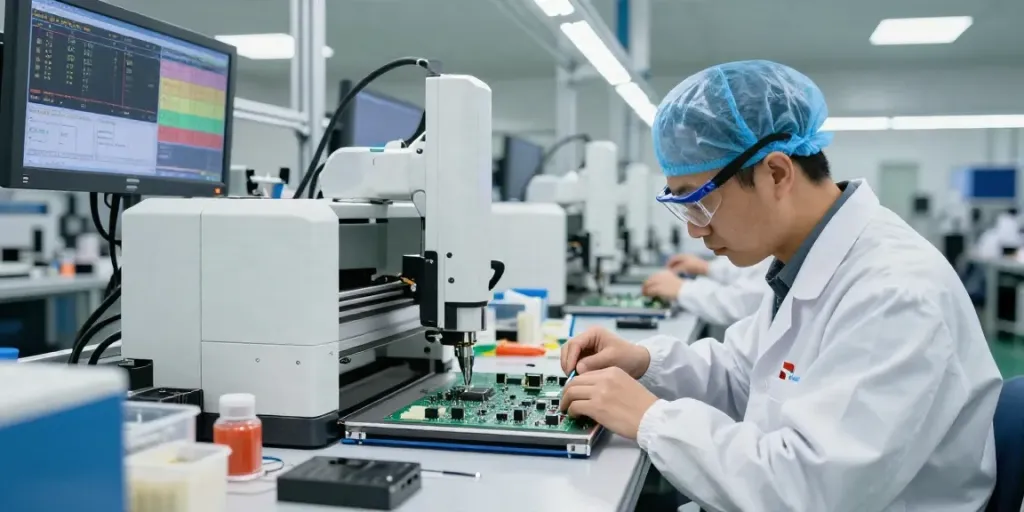
- Assembly: Components are mounted using either SMT or THT methods and undergo a soldering process. Automated placement machines are common in large-scale operations.
- Testing: The assembled boards are subjected to functional testing to ensure they perform as intended. This step is vital to catch any issues before the product reaches the market.
- Finalization: After successful testing, PCBs are typically packaged and prepared for shipment to customers or further assembly lines.
Challenges in PCB Assembly and Component Sourcing
Common Obstacles in the Assembly Process
While the assembly of PCBs is fundamental, various challenges can arise, affecting quality and turnaround time. These include:
- Complex Designs: As electronic devices become more complex, so do PCB designs, requiring advanced assembly techniques and skilled labor.
- Quality Control Issues: Maintaining stringent quality control is crucial, as the presence of defects can lead to product failures and significant costs.
- Equipment Limitations: Outdated or poorly maintained equipment can hinder production capabilities and negatively impact the efficiency of the assembly process.
Identifying Reliable Component Suppliers
Finding trustworthy suppliers is essential for successful component sourcing. Here are strategies to identify reliable sources:
- Research and Reviews: Investigating suppliers' reputations through online reviews and industry forums can provide insights into their reliability and service quality.
- Supplier Certifications: Opting for suppliers with industry-standard certifications (such as ISO 9001) ensures their adherence to quality management principles.
- Sample Testing: Before committing to bulk purchases, obtaining samples can help assess the quality and suitability of components.
Addressing Supply Chain Disruptions
Unexpected disruptions in the supply chain can significantly impact PCB assembly timelines. Adopting proactive measures such as diversifying suppliers, maintaining adequate inventory levels, and implementing real-time tracking systems can help mitigate these risks.
Best Practices for PCB Assembly
Quality Control Measures
Implementing robust quality control measures throughout the assembly process is essential. Techniques such as Automated Optical Inspection (AOI) can detect defects early, while thorough testing phases ensure that only the highest quality products are shipped. Establishing clear quality benchmarks enables teams to maintain consistency and reliability.
Implementing Effective Procurement Strategies
Effective procurement strategies involve planning for inventory needs, analyzing purchasing patterns, and establishing strong relationships with suppliers. Initiating long-term contracts with suppliers can also safeguard against price fluctuations and supply shortages.
Utilizing Technology in PCB Assembly
Advancements in technology, such as artificial intelligence and machine learning, are revolutionizing PCB assembly. Automation is increasingly integrated into production lines, helping to enhance efficiency and reduce human error. Additionally, software tools for design validation and thermal analysis can improve the overall quality of the assembly.
Case Studies: Successful PCB Assembly Projects
Innovative Solutions in Electronics Manufacturing
Several companies have demonstrated innovation in PCB assembly, leading to successful outcomes. For instance, a major smartphone manufacturer implemented a flexible assembly line that allowed for rapid adjustments based on changing product designs, resulting in a significant reduction in lead time.
Real-World Applications of PCB Assembly
PCBs are integral to various industries, including healthcare, automotive, and telecommunications. For instance, in medical devices, precision assembly is crucial due to the critical nature of these applications. A case study involving a cardiac monitor highlights the importance of reliable component sourcing and its direct correlation to patient safety.
Lessons from Industry Leaders
Industry leaders emphasize the need for continuous improvement and adaptation to emerging trends. Regular training for assembly line workers and staying updated with the latest technology trends ensures that the workforce remains competitive and skilled.
Future Trends in PCB Assembly and Component Sourcing
Emerging Technologies in PCB Manufacturing
The future of PCB assembly is likely to be shaped by further advancements in automation and smart manufacturing. The integration of IoT devices for real-time monitoring and analytics is expected to enhance operational efficiency significantly.
Forecasting Component Sourcing Needs for 2026
As technology advances, the demand for specific components will shift. Forecasting these needs will require companies to stay ahead of trends and understand market dynamics to ensure they source the right components efficiently.
Regulatory Changes and Their Impact
With environmental regulations becoming stricter, companies must adapt their sourcing and assembly practices to comply with standards such as the Restriction of Hazardous Substances (RoHS) directive. This change not only impacts sourcing decisions but also necessitates investment in compliant technologies and processes.
What is the PCB assembly process?
The PCB assembly process includes the mounting of electronic components onto the PCB and involves various stages, including design, material preparation, assembly, testing, and finalization.
Can ChatGPT do PCB design?
While ChatGPT can provide information and guidelines on PCB design, it does not possess the capabilities to create or execute actual designs. Specialized software and human expertise are necessary for that task.
Who is the world's biggest PCB manufacturer?
As of recent data, companies like ZTE and Foxconn are among the largest PCB manufacturers globally, known for their vast production capabilities and technological advancements.
What are the four main types of PCBs?
The four main types of PCBs are single-sided, double-sided, multi-layer, and flex PCBs, each serving distinct applications based on requirements such as complexity, space, and component density.
How to ensure quality in component sourcing?
Ensuring quality in component sourcing involves rigorous supplier evaluation, thorough testing of components, and establishing quality benchmarks that align with industry standards.