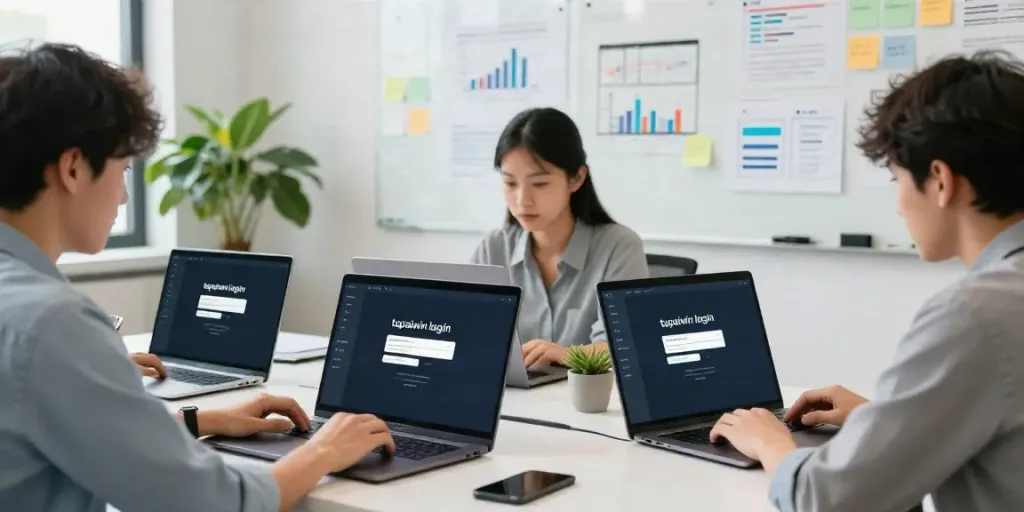
Understanding the Importance of Seamless User Authentication
User authentication is a critical aspect of software development that not only serves as the first line of defense against unauthorized access but also significantly influences the overall user experience. As applications grow in complexity and scale, ensuring that access to sensitive resources is both secure and seamless becomes paramount. Among the various methods and processes for managing user identities, tupaiwin login stands out for its effectiveness and user-friendliness, providing developers with tools to create robust authentication systems efficiently.
The Role of Secure Login in Software Development
Secure login systems form the backbone of application integrity. They protect sensitive data by ensuring that only authorized users gain access. This involves employing techniques such as multi-factor authentication (MFA), secure token exchange, and encryption of credentials during transmission. The integration of these practices not only safeguards personal information but also enhances user trust, which is vital for customer retention and satisfaction.
How tupaiwin login Enhances User Experience
The tupaiwin login process is designed to streamline user access while ensuring high security. It utilizes a simple and intuitive interface that allows users to quickly authenticate without navigating complex verification processes. Features like single sign-on (SSO) allow users to access multiple related services with one set of credentials, reducing the cognitive load associated with managing numerous passwords. Additionally, its support for biometric authentication adds a layer of convenience while boosting security.
Best Practices for Implementing Login Systems
- Use Secure Protocols: Always implement HTTPS to encrypt data in transit.
- Implement Multi-Factor Authentication: Combine something the user knows (password) with something they have (authentication code).
- Limit Login Attempts: Protect against brute-force attacks by locking accounts after a defined number of failed attempts.
- Regularly Update Security Protocols: Stay informed about the latest security vulnerabilities and patch systems continually.
Integrating tupaiwin login with Cloud Solutions
The integration of cloud solutions for authentication brings scalability and flexibility that traditional on-premises systems cannot match. With the increasing reliance on cloud infrastructures, leveraging platforms like AWS and Azure can significantly enhance the security and manageability of user authentication processes.
Utilizing AWS for Secure Authentication
AWS offers a suite of services that facilitate secure login integration, such as Amazon Cognito, which allows developers to add user sign-up, sign-in, and access control to web and mobile apps. It supports SSO and integrates seamlessly with other AWS services, ensuring a cohesive development environment. Furthermore, Amazon Cognito's user pools facilitate the management of user directories, simplifying user authentication.
Cloud-Native Development and Authentication Challenges
While cloud solutions provide significant advantages, they also pose unique challenges. Developers must ensure proper configuration of permissions and access controls to prevent unauthorized access. Additionally, handling sensitive user data in compliance with regulations like GDPR and HIPAA remains a significant responsibility that cannot be overlooked.
Comparative Analysis: AWS vs Azure Authentication Mechanisms
Both AWS and Azure offer robust authentication mechanisms; however, they differ in implementation. AWS focuses on serverless architecture through Amazon Cognito, allowing for extensive scalability and easier integration. Azure, on the other hand, provides Azure Active Directory, which excels in enterprise scenarios with strong integration into Microsoft products, making it suitable for organizations heavily invested in the Microsoft ecosystem. The choice between the two should be influenced by the specific needs of the application and the existing infrastructure of the organization.
Innovating with AI/ML in User Authentication
As technology evolves, integrating AI and machine learning into authentication systems is becoming increasingly prevalent. By leveraging AI, developers can enhance security measures and improve user experience significantly.
Machine Learning Techniques for Secure Login
Machine learning algorithms can analyze patterns of user behavior to detect anomalies indicative of unauthorized access, triggering additional verification steps when suspicious activity is detected. This approach, known as adaptive authentication, tailors the security measures based on the perceived risk level and user behavior.
Predictive Authentication: A Modern Approach
Predictive authentication takes user behavior into account, creating a dynamic framework that adjusts the login process based on context. For example, if a user typically logs in from a specific location, an attempt from a new location could prompt additional verification steps, thereby enhancing security without disrupting the user experience.
AI-Powered Security Measures for tupaiwin login
Utilizing AI-driven tools in conjunction with tupaiwin login enhances the overall security posture. Implementing machine learning models trained on vast datasets can help anticipate potential breaches and streamline authentication workflows, providing a balance between security and accessibility.
Cybersecurity Protocols and Threat Mitigation for Logins
Understanding the cybersecurity landscape is crucial for developing effective login systems. Various threats target authentication processes, necessitating robust countermeasures.
Common Threats to Login Systems and How to Combat Them
- Phishing Attacks: Users can be tricked into providing their credentials. Implement user education and features like anti-phishing toolkits.
- Brute Force Attacks: Attackers may attempt to gain access by trying numerous password combinations. Employing account lockout mechanisms and CAPTCHA can mitigate this risk.
- Password Reuse: Users often reuse passwords across multiple sites. Encourage the use of unique and complex passwords and employ password managers.
Essential Cybersecurity Protocols for Modern Applications
To safeguard sensitive information, implement established protocols such as encryption, secure token storage, and regular security audits. Additionally, adopting a zero-trust framework can further mitigate risks by assuming that threats may originate from both outside and within the network.
Tupaiwin login’s Strategies for Enhancing Security
The security strategies behind tupaiwin login emphasize user education, multi-layered authentication processes, and adaptive security measures. By continuously updating their security practices in line with emerging threats, they set a benchmark for secure user authentication.
The Future of Authentication and Software Development
The rapid evolution of technology necessitates continuous adaptation in authentication methodologies. Emerging trends are shaping the future landscape of secure logins.
Emerging Technologies in User Authentication
Technologies such as decentralized identity management and blockchain are beginning to gain traction for securing user identities. These systems provide users with greater control over their personal information and enhance privacy.
Trends in Software Development and Login Innovations
As developers move towards microservices and serverless architectures, demand for flexible, modular authentication solutions rises. The emphasis is on creating systems that are not only secure but also highly interoperable with APIs and third-party applications.
Preparing for the Future: The Role of tupaiwin login
As we approach a future where security threats are more sophisticated, tupaiwin login positions itself as a leader by continuously innovating and integrating advancements in technology to protect user identities. Staying at the forefront of security trends will help maintain user trust and satisfaction.
FAQs
What is tupaiwin login and how does it work?
tupaiwin login refers to a secure user authentication process designed to streamline and simplify access while maintaining security. It typically involves user credentials being verified against secure databases, ensuring that only authorized users can access specific resources.
Why is secure login important for developers?
Secure login mechanisms protect sensitive user data, reduce the risk of breaches, and enhance overall application security. This is essential for maintaining user trust and complying with data protection regulations.
How can I implement tupaiwin login in my application?
To implement tupaiwin login, integrate its SDK or API into your application, ensuring that you adhere to best practices around security and user experience. For more information, tupaiwin offers valuable insights. Regularly update and audit your authentication processes to adapt to emerging security threats.