Understanding Attractiveness: The Science Behind Beauty Perception
Attractiveness is a multifaceted concept that transcends mere physical appearance. It encapsulates a blend of biological, psychological, and cultural elements that shape how we perceive beauty. Various factors play a crucial role in determining attractiveness, from facial symmetry to social cues, and understanding these elements can provide deep insights into human behavior. In today's digital age, numerous platforms allow individuals to test attractiveness, revealing how closely we align with conventional beauty standards. This article delves into the intricacies behind attractiveness, exploring the scientific and cultural dimensions that influence our perceptions.
What Factors Determine Attractiveness?
Research indicates that several core factors contribute to what society deems attractive. These include:
- Facial Symmetry: Often viewed as a marker of genetic health, symmetrical faces are generally considered more appealing.
- Proportionality: Ratios such as the golden ratio hint at an ideal balance in facial features that aligns with beauty standards.
- Skin Clarity: Clear skin can signify youth and health, which are often associated with attractiveness.
- Facial Expressions: Warm and inviting expressions can enhance one’s attractiveness by signaling approachability.
- Confidence: A confident demeanor can transform a person’s appeal, as it often reflects self-assuredness and stability.
The Role of Cultural Influences on Beauty Standards
Cultural context shapes our perceptions of beauty significantly. What is considered attractive in one culture may not hold the same value in another. For instance, while Western beauty standards often favor lighter skin tones and specific body types, other cultures may embrace darker skin and diverse body shapes. These cultural differences highlight the fluidity of beauty norms and emphasize the importance of understanding the cultural narratives we are part of.
Psychological Aspects of Attractiveness Assessment
Psychologists suggest that our assessments of attractiveness are not solely based on physical traits but also on social conditioning and personal experiences. Factors such as familiarity, exposure, and even the halo effect—where attractive people are assumed to have other positive traits—can greatly influence our judgments. Moreover, studies show that individuals often harbor biases based on attractiveness, which can affect social interactions and professional opportunities.
The Rise of AI in Attractiveness Testing
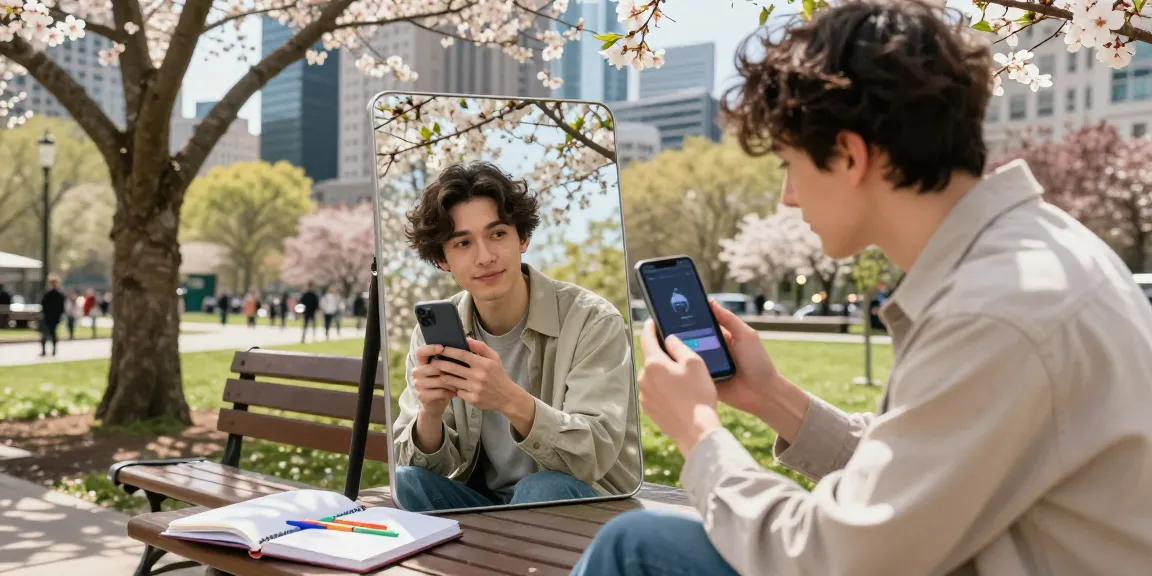
The advancement of artificial intelligence has revolutionized attractiveness testing. Tools powered by AI can now analyze facial features with incredible precision, providing users with insights into their perceived beauty. This evolution has made it easier than ever for individuals to engage in self-exploration and gauge their attractiveness through technology.
How AI Algorithms Analyze Facial Features
AI algorithms assess various facial characteristics, including symmetry, proportions, and even aesthetic lines. Through machine learning, these systems are trained on extensive datasets of faces deemed attractive, allowing them to identify patterns and predict beauty ratings. This technology not only appeals to vanity but can also offer constructive feedback for personal grooming, style choices, and confidence building.
Popular AI Tools: What Do They Measure?
Various platforms utilize AI for attractiveness testing, analyzing features such as:
- Symmetry: A key factor in beauty, where the algorithm evaluates how closely the left and right sides of the face match.
- Facial Proportions: Assessing ratios between facial features, such as the distance between the eyes and the lips.
- Complexion: The tool may analyze skin tone and clarity, considering these aspects in the overall attractiveness score.
- Emotional Cues: Recognizing how facial expressions impact assessments of attractiveness.
Benefits and Limitations of AI-Based Attractiveness Tests
AI-driven attractiveness tests present numerous advantages, including accessibility and rapid evaluation. Users can receive instant feedback, which can help boost confidence or encourage self-improvement. However, limitations exist, as these tests are inherently reliant on the datasets used for training the AI, which may perpetuate certain biases and cultural standards. As users receive scores based on these algorithms, it is crucial to approach results with a critical mindset, acknowledging the subjective nature of beauty.
Comparing Attractiveness Tests: Which One is Right for You?
With a plethora of online tools at your disposal, choosing the right attractiveness test requires understanding their unique features and methodologies. Each platform may utilize different algorithms and metrics, leading to varying results, so it’s essential to conduct thorough comparisons.
Top Online Attractiveness Tests Reviewed
Some of the leading online attractiveness tests include:
- Rate My Face: An AI tool that focuses on symmetry and provides a detailed rating based on various beauty metrics.
- Maxxing: This test evaluates facial features with a scoring system that is straightforward and easy to interpret.
- The Face Report: Offering a comprehensive analysis, it measures several dimensions of attractiveness and provides insights into personal grooming.
User Experiences: What to Expect from Different Platforms
Users share varied experiences with these platforms. Many report feeling empowered by the feedback, while others express concern about the subjective nature of the results. It’s important to remember that while these tools can provide useful insights, they do not define one’s worth or beauty.
Key Metrics: Understanding Your Attractiveness Score
An attractiveness score typically ranges from 1 to 10 or 1 to 100, depending on the platform. This rating takes into account numerous factors, including facial symmetry, proportions, and emotional expression. Understanding how to interpret these scores can help individuals navigate the complexities of beauty assessments.
Misconceptions About Attractiveness Testing
Despite the growing popularity of attractiveness tests, numerous misconceptions persist that can mislead users.
Debunking Common Myths: Are They Reliable?
Many believe that AI-based attractiveness tests are definitive indicators of beauty. However, these tools are merely reflections of societal standards and do not account for personal preferences or cultural variances. Understanding this context is vital for healthy self-perception.
How to Interpret Your Attractiveness Results
When reviewing your results, consider them as one of many perspectives on your beauty. Factors such as mood, lighting, and even the angle of your photo can impact your score. It is beneficial to approach the outcomes with an open mind and a critical lens.
Why Some Scores May Not Reflect Your True Beauty
Factors influencing attractiveness scores can be transient and subjective. External influences, including social media portrayals and personal biases, may shape these tests. Consequently, it is crucial not to let a single score define your self-worth or beauty.
The Future of Attractiveness Testing: Trends for 2026
As technology continues to evolve, the future of attractiveness testing looks promising, with several emerging trends set to redefine how we perceive beauty.
Emerging Technologies in Facial Analysis
Innovations in machine learning and facial recognition are paving the way for increasingly sophisticated analysis tools. Future algorithms may incorporate diverse beauty standards and cultural contexts, offering a more inclusive view of attractiveness.
Social Media's Influence on Beauty Perception
Social media platforms will likely continue to play a significant role in shaping beauty norms. As trends shift, the concept of attractiveness may evolve, reflecting a wider range of aesthetics and personal expressions.
Ethical Considerations: Privacy and Data in AI Testing
As AI tools become ubiquitous in beauty assessment, ethical considerations regarding privacy and data security will come to the forefront. Users must be informed about how their data is collected, used, and potentially sold, raising questions about the implications of digital beauty tests.
How can I test my attractiveness?
Many online platforms offer free tests that require uploading a photo to receive a beauty rating. It’s essential to choose a reputable site for accurate and respectful analysis.
Is 7 out of 10 considered attractive?
A score of 7 out of 10 is generally viewed as attractive, but perceptions can vary dramatically based on individual tastes and cultural standards.
Is there an accurate attractiveness test?
While several tests claim to provide accurate results, it’s vital to remember that these scores are influenced by subjective standards and may not reflect your true beauty.
Is a 6.5 out of 10 attractive?
A 6.5 rating is typically considered moderately attractive, but personal confidence and charisma can enhance how others perceive you beyond numerical scores.
What factors influence attractiveness ratings?
Attractiveness ratings are influenced by facial symmetry, skin quality, personal grooming, and even emotional expression. Each contributes to the overall impression one gives off.