Understanding the Concept of Age Perception
Age perception is a fascinating psychological phenomenon that shapes how we view ourselves and others across various stages of life. Beyond the mere passage of years, age is often assessed through a combination of physical appearance, societal roles, and cultural context. With advancements in technology, including AI-based tools, individuals are now curious to explore how old they may appear compared to their actual age. While these tools can be entertaining, they also provide insights into our self-image and societal expectations. If you're interested in exploring your perceived age, how old do I look can serve as a useful resource to start your journey.
What Does It Mean to Assess Aging?
Assessing aging is more than just evaluating the number of years one has lived; it encompasses a wide range of indicators including skin texture, hair color, and overall vitality. Psychologically, the assessment of age can influence one's self-esteem and health behavior. People often seek reassurances about their appearance, which can lead to a preoccupation with looking younger or older. In fact, studies have shown that individuals who perceive themselves as younger than their actual age tend to have a more optimistic outlook on life and better health outcomes.
Factors Influencing Age Perception
The perception of age is shaped by several key factors, including biological markers, cultural norms, and societal expectations. Our biological age, affected by genetics and lifestyle choices, plays a significant role in how old we appear. Lifestyle choices like diet, exercise, and sun exposure can alter our physical appearance significantly. Additionally, societal standards often dictate what age looks like, influencing how we perceive ourselves and others. These standards can vary widely across different cultures, impacting everything from fashion choices to beauty standards.
How Society Shapes Our View on Age
Society's view on age is deeply entrenched in norms and values that can either celebrate or stigmatize aging. In many cultures, youth is often idolized, leading to negative stereotypes associated with older individuals. This societal bias can lead to ageism, where individuals face discrimination based on their age. Conversely, other cultures celebrate aging through rituals and traditions that honor the wisdom and experiences of older individuals. Understanding these societal influences can help individuals reshape their perceptions of age and age-related issues.
Exploring the Technology Behind Age Estimation
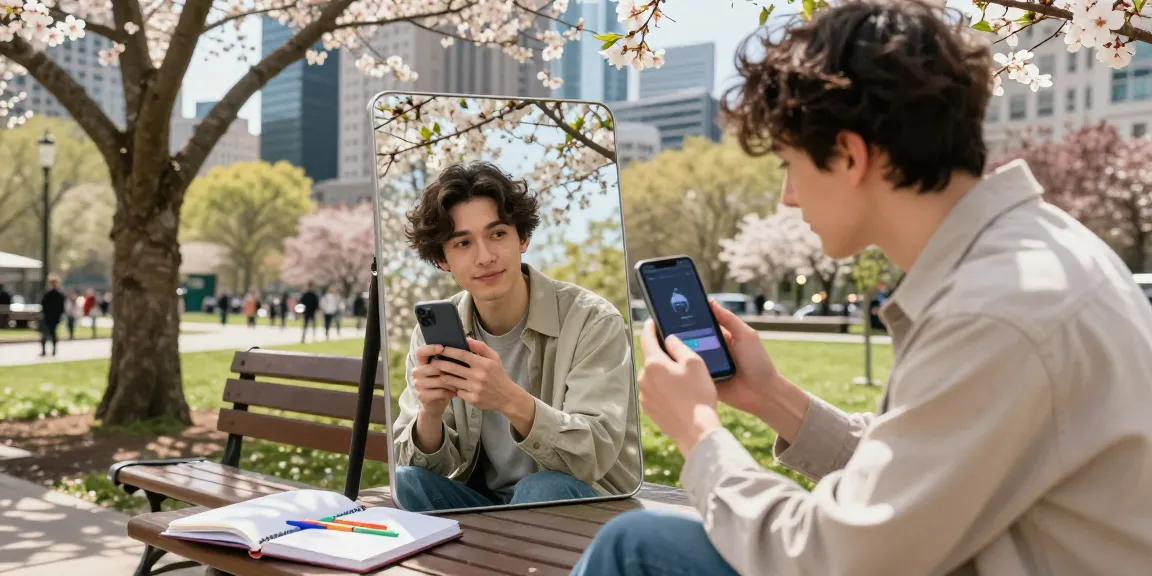
As technology advances, the methods used for age estimation have become more sophisticated and accessible. AI-driven applications analyze facial features and skin qualities to provide fairly accurate age guesses. Users can simply upload a photo and receive immediate feedback on how old they appear, thus putting a fun twist on personal perception and social interaction.
AI Innovations: How Age Estimators Work
AI age estimators utilize machine learning algorithms trained on vast datasets of human faces to predict age. These applications assess various features such as wrinkles, skin smoothness, and facial structure to yield age estimates. By comparing uploaded images to known age ranges, these systems can deliver surprisingly accurate results, helping users engage with their perceived age in an interactive way.
Privacy and Data Concerns with Technology
While the technology behind age estimation is captivating, it also raises substantial questions regarding privacy and data security. Many applications require users to upload personal images, which can lead to fears about data misuse. Users should remain vigilant and choose applications that prioritize data encryption and have transparent privacy policies. It is essential to understand how your data is being stored and used before participating in these seemingly harmless tests.
Comparing Different Age Estimation Apps
There are numerous applications available on the market, each with unique features. Applications like FaceAge.ai and Fotor provide users with engaging platforms to assess their perceived age through photo uploads. Some apps focus on providing a thorough analysis of facial features, while others may include social sharing options. When choosing an app, consider factors such as user interface, privacy policies, and accuracy reports to ensure a satisfying experience.
Practical Uses of Age Estimation Tools
Age estimation tools offer various practical applications beyond mere curiosity. They can serve as confidence boosters or even as icebreakers in social settings. Understanding how others perceive you can influence social dynamics and personal interactions.
Enhancing Self-Confidence Through Age Feedback
Receiving feedback about one's perceived age can enhance self-awareness and confidence. Individuals may feel empowered when they discover they look younger than their actual age, which can lead to positive changes in lifestyle and self-care practices. These insights can also promote conversations about aging gracefully and the importance of health and wellness.
Using Age Estimation for Fun and Social Interaction
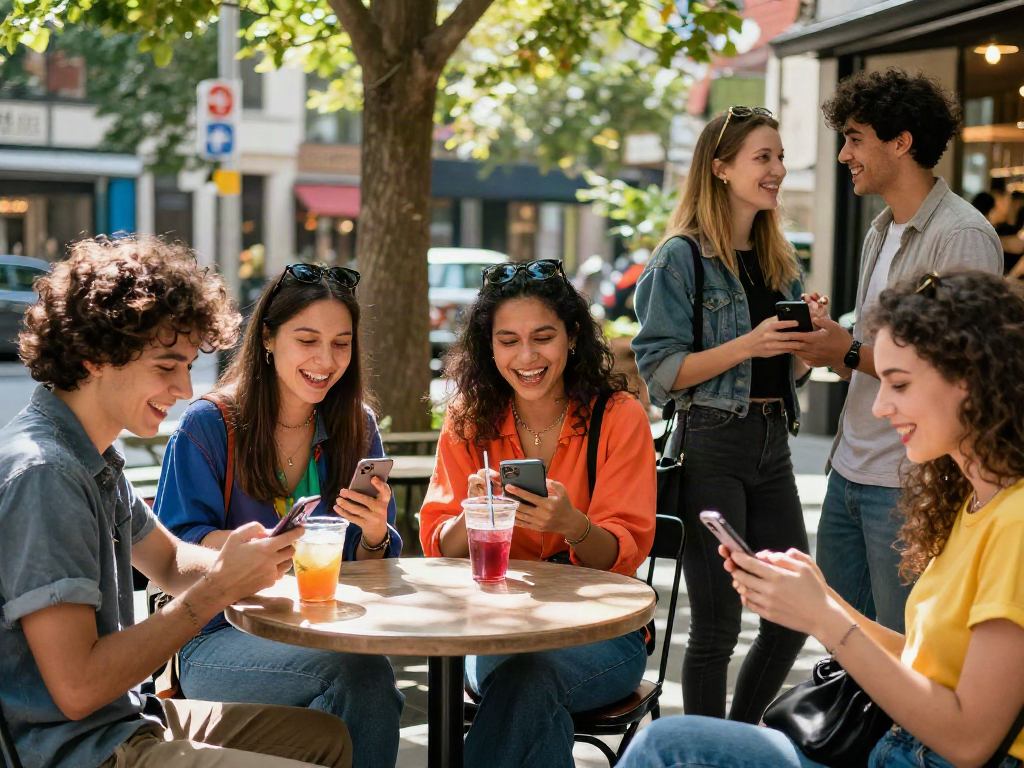
Age estimation apps can inject some fun into social gatherings, acting as conversation starters. Friends can gather to compare their perceived ages, thereby facilitating discussions about beauty standards and societal influences on aging. These playful interactions provide a lighter perspective on how age perception varies among individuals.
Case Studies: Real-life Applications
Several individuals have shared their experiences with age estimation tools, emphasizing the impact on their self-perception. For instance, a person who received feedback indicating they appeared ten years younger reported an increase in self-esteem and began adopting healthier habits, such as exercise and skincare routines. Such transformations underline the potential positive effects of age estimation beyond the superficial.
Age Perception in Different Cultures and Communities
Age perception varies greatly across cultures, influenced by historical context, traditions, and prevailing attitudes. Understanding these differences enriches our appreciation of the aging process.
Global Perspectives on Aging and Youth
Globally, different cultures have different attitudes towards aging. For example, many Asian cultures view aging with respect, seeing older adults as bearers of wisdom. In stark contrast, Western cultures often prioritize youth, leading to the commercialization of anti-aging products. This disparity highlights the need for cross-cultural understanding and empathy towards individuals at various life stages.
Understanding Age Bias and Its Effects
Age bias can have profound effects on mental health and social dynamics. Individuals who face negative stereotypes about aging may experience lowered self-esteem and increased social isolation. Awareness of age bias is crucial for fostering more inclusive environments where age diversity is celebrated rather than marginalized.
Embracing Aging: Cultural Celebrations and Rituals
Many cultures have unique ways of celebrating aging. From milestone birthdays to rite-of-passage ceremonies, these rituals can affirm the value of aging. Recognizing and participating in these cultural practices can provide a sense of community and belonging, counteracting the stigma often associated with growing older.
The Future of Age Estimation Technology
The realm of age estimation technology is rapidly evolving, with potential advancements promising even greater accuracy and functionality. As AI continues to improve, we can expect more personalized experiences and applications that go beyond simple age estimations.
Emerging Trends in AI and Aging Research
Emerging trends in AI development are leading to more nuanced understandings of human aging. Researchers are continuously working to refine algorithms that can analyze not just age, but also health indicators, allowing for holistic assessments of well-being. This ongoing research can potentially inform better healthcare strategies tailored to individual needs.
Potential Applications in Healthcare and Wellness
Age estimation technology could revolutionize healthcare practices by allowing professionals to assess biological age and health indirectly. This could enable personalized wellness plans based on perceived age, encouraging proactive health management. Predictive models may become integral in preventive care, promoting longer, healthier lives.
What to Expect in 2026 and Beyond
Looking ahead to 2026 and beyond, we anticipate farther-reaching integration of age estimation tools within various sectors. From healthcare to social media, these innovations will continue to influence how society perceives and interacts with aging. As technology intersects with guided human compassion, the stigma surrounding age may fade, allowing individuals to embrace their age authentically.
How accurate is how old do I look technology?
The accuracy of age estimation technologies is continually being refined. Most applications are capable of providing estimates with a variance of a few years, depending on the quality of the uploaded image and facial features analyzed. However, users should remember these tools are not definitive and should be approached with a sense of curiosity rather than seriousness.
Can age perception affect mental health?
Yes, age perception can significantly influence mental health. Individuals who see themselves as older than they are may struggle with self-esteem issues, whereas those who feel younger may experience a boost in confidence and vitality. This interplay underscores the importance of positive self-identity across all ages.
What are the best apps for estimating age?
Some of the most popular age estimation apps include FaceAge.ai, Fotor, and Age Recognition App. Each of these applications offers unique features and varying degrees of accuracy. When selecting an app, consider user reviews and data privacy policies to ensure a satisfying experience.
Are there ethical concerns with using age estimation tools?
There are ethical concerns surrounding age estimation tools, particularly regarding privacy and consent. Users must be aware of how their data is being processed and whether it is securely stored. Additionally, the potential for these tools to reinforce negative stereotypes about aging is a critical consideration.
How do age perceptions vary across different cultures?
Age perceptions vary widely across cultures, reflecting distinctive attitudes towards youth and aging. While some cultures celebrate the wisdom of older adults, others may prioritize physical appearance and youth. These varying views can affect social dynamics and individual self-esteem, underscoring the importance of cultural sensitivity.