Understanding Power Cords: Key Components and Standards
Power cords are an essential component in the realm of electrical engineering, connecting devices to power sources and ensuring reliable performance. As a Power cord manufacturer, LANZ Electronics recognizes the importance of high-quality power cords that comply with international standards. In this section, we explore the critical components that constitute a reliable power cord, the necessary certifications, and the differences between standard and custom designs.
What makes a reliable power cord?
A reliable power cord is characterized by several key features. These include proper insulation to prevent electrical hazards, robust connectors that resist wear and tear, and compliance with international safety standards. For instance, cords made from high-quality materials like PVC, rubber, or thermoplastic elastomers (TPE) provide durability and flexibility, which are crucial for both industrial and commercial applications.
IEC standards and certifications explained
The International Electrotechnical Commission (IEC) outlines the standards for power cords, ensuring they can safely handle voltage up to 250V AC and currents up to 16A. Certifications such as UL, CE, and RoHS confirm that products meet safety requirements and environmental regulations. It's essential for manufacturers to display these certifications prominently to instill confidence in consumers and businesses alike.
Differences between standard and custom power cords
While standard power cords might suffice for many applications, custom solutions cater to specific requirements, whether related to length, connector type, or additional features like strain relief. Customization can significantly enhance performance and reliability in specialized environments, such as in medical equipment or high-performance computing systems.
Manufacturing Processes: From Concept to Creation
The journey of creating power cords involves intricate processes that ensure quality and efficacy. Understanding these manufacturing techniques gives insight into how a reliable power cord is crafted, from initial design to final production.
Overview of manufacturing techniques in power cord production
Power cord manufacturing begins with the selection of raw materials, which are then transformed through various techniques such as extrusion, molding, and assembly. Extrusion is often used for the insulation process, where the plastic material is heated and shaped around the conductive wires. Molding is then utilized for creating the connectors, ensuring they fit securely with the cable.
Role of quality control in manufacturing
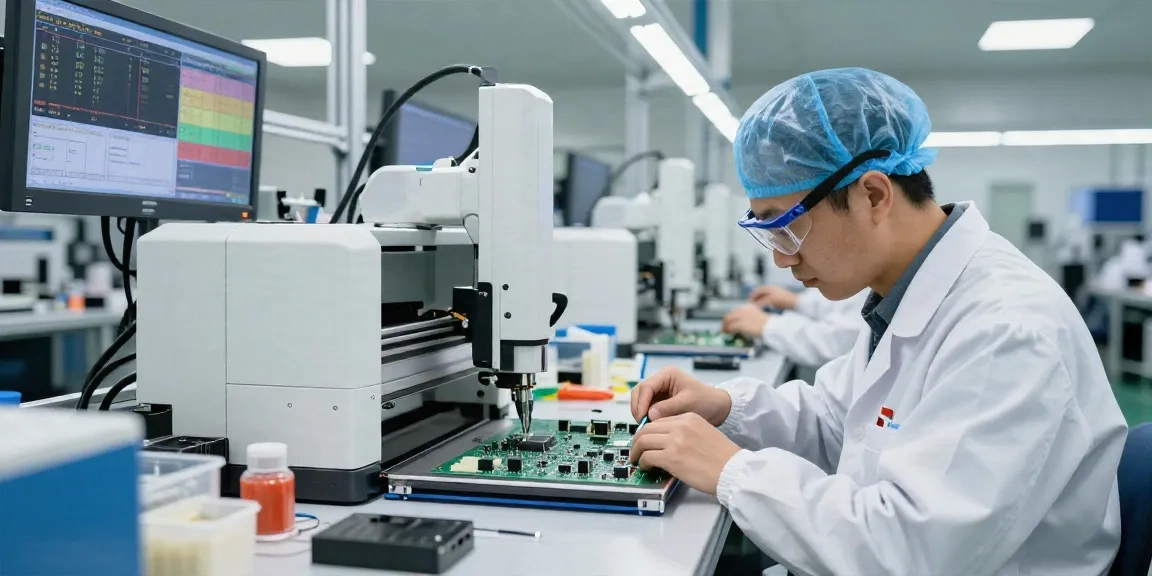
Quality control is paramount in power cord manufacturing. Each step of the process undergoes rigorous inspections, from in-process testing to final evaluations before shipping. Product consistency and adherence to international standards are verified through these procedures, ensuring each power cord is reliable and safe for consumer use.
Case study: Power cord manufacturing at LANZ Electronics
LANZ Electronics stands out in the industry by implementing advanced manufacturing technologies and strict quality control protocols. With dedicated production lines tailored to specific product categories, LANZ ensures that over 1,000 specifications are produced to meet diverse client needs. This systematic approach allows the company to maintain high standards while also enabling customization for clientele, ranging from OEMs to industrial buyers.
Choosing the Right Power Cord Manufacturer
Selecting a suitable power cord manufacturer is crucial for businesses aiming to meet specific electrical standards and functional requirements. Here are several factors to consider to ensure you choose the right partner.
Key factors to consider when selecting a manufacturer
- Certification Compliance: Check whether the manufacturer complies with necessary safety and quality certifications.
- Customization Capabilities: Understand the range of customization options available, which can significantly impact the usability of the cords.
- Production Capacity: Assess the manufacturer's ability to meet demand, especially for large orders or tight timelines.
Evaluating certifications and compliance
When researching potential manufacturers, scrutinize their certifications. Compliance with IEC standards, as well as additional certifications like UL and CE, indicates that the manufacturer adheres to essential safety and quality measures that protect end users.
Comparing costs and production capabilities
Cost is always a critical factor when choosing a manufacturing partner. However, it should be balanced with quality and delivery timelines. A comprehensive evaluation of production capabilities, including lead times and logistics, ensures that you choose a manufacturer who not only meets your budget but also your operational needs.
Common Challenges and Solutions in Power Cord Manufacturing
Like any manufacturing sector, the power cord industry faces challenges that can affect production efficiency and product quality. Understanding these challenges allows manufacturers to devise solutions proactively.
Addressing quality control issues
Quality control can sometimes be an area of concern, particularly with large production runs. Implementing robust inspection processes and using automated testing equipment can help detect defects early in the production line, ensuring that only high-quality products reach the market.
Supply chain disruptions and logistics
Global supply chain issues can impact the availability of raw materials and components, leading to production delays. To mitigate this risk, manufacturers like LANZ Electronics develop strong relationships with multiple suppliers and maintain a strategic inventory of key components to avoid interruptions.
Keeping up with technological advancements
As technology evolves, so do power cord requirements. Staying abreast of industry innovations and emerging trends enables manufacturers to adapt their processes and offerings, ensuring they remain competitive and responsive to market demands.
Future Trends in Power Cord Manufacturing (2026 and Beyond)
The future of power cord manufacturing will be heavily influenced by technological advancements and changing market needs. Here are some key trends that will shape the industry moving forward.
Emerging technologies in power cord production
Advancements in manufacturing technologies, such as automation and smart manufacturing processes, will enable increased efficiency and precision. This shift could reduce production costs and lead times while enhancing product quality.
The impact of electric vehicles on power cord demand
With the rise of electric vehicles (EVs), the demand for specialized power cords catering to EV charging infrastructure is set to escalate. Manufacturers must gear up to provide innovative solutions that meet the emerging requirements of this growing market segment.
Sustainability practices in the power cord industry
As environmental awareness increases, sustainability will become a crucial consideration in production practices. Manufacturers will need to focus on using eco-friendly materials and implementing sustainable manufacturing processes to meet consumer expectations and comply with regulations.
What are the certifications for power cords?
Certifications such as UL, CE, RoHS, and REACH play an essential role in ensuring that power cords are safe for use and meet environmental standards. Understanding these certifications is crucial for manufacturers and buyers alike.
How can I customize my power cord?
Customization can involve altering the length, type of insulation, and connectors used in power cords. Engaging with a manufacturer that offers tailored solutions can help meet specific requirements for any application.
What industries use power cords the most?
Power cords find applications in numerous industries, including consumer electronics, industrial automation, medical equipment, and telecommunications. Each sector has unique requirements that manufacturers must address to ensure compatibility and safety.
What safety standards should power cords meet?
Power cords must meet stringent safety standards established by organizations such as IEC and UL to ensure they can handle specified voltages and currents without risk of failure.
How to troubleshoot common power cord issues?
Common issues with power cords can include frayed wires, loose connections, and damaged connectors. Troubleshooting these problems often involves visual inspection and testing with multimeters to ensure proper functionality.