Understanding Water Reclaim Systems
In an era where water scarcity is becoming increasingly prevalent, the necessity for innovative solutions to manage our water resources is paramount. This has led to the development of advanced Water Reclaim System technologies that not only recycle wastewater but also promote sustainable water usage across various sectors. Containerized reclaimed water systems are at the forefront of this initiative, providing a compact, efficient, and effective means of turning wastewater into a viable resource for irrigation, industrial processes, and more.
What is a Water Reclaim System?
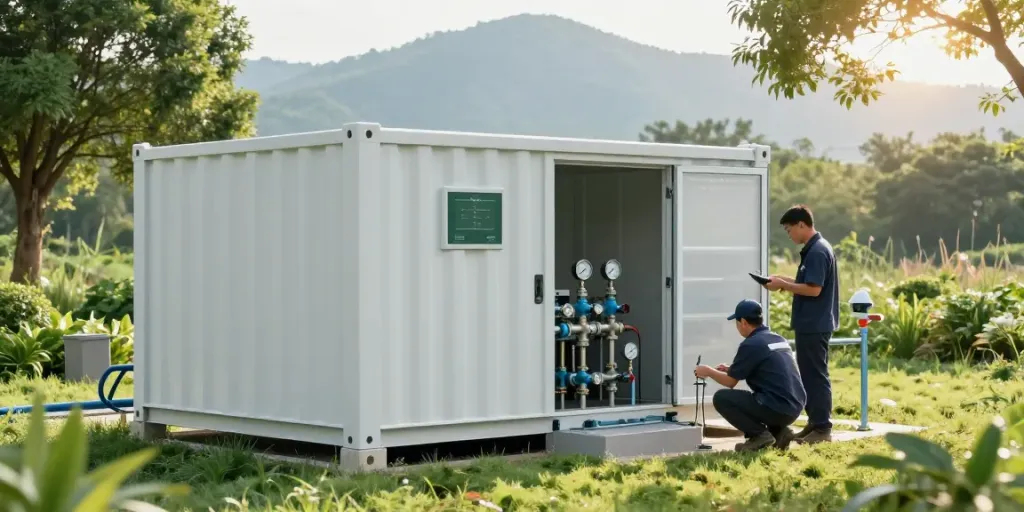
A water reclaim system is designed to collect and treat wastewater, enabling its reuse for various applications. Unlike traditional water treatment methods that often involve extensive infrastructure and logistics, containerized systems offer a more flexible, modular approach. These systems can be rapidly deployed in diverse settings, from urban environments to remote locations, making them an ideal solution for communities and industries looking to conserve water and reduce their overall environmental footprint. By integrating sophisticated treatment technologies, such as membrane bioreactors and reverse osmosis, these systems ensure that reclaimed water meets quality standards suitable for its intended use.
How Does a Water Reclaim System Work?
Water reclaim systems operate by treating wastewater through a series of filtration and purification processes. Initially, wastewater is collected and pre-treated to remove larger solids and impurities. This is followed by advanced treatment stages involving:
- Membrane Bioreactors (MBR): Combine biological treatment with membrane filtration to effectively remove suspended solids and pathogens.
- Ultrafiltration (UF): Separates particles and macromolecules, ensuring high-quality effluent.
- Reverse Osmosis (RO): Further purifies the water by removing dissolved salts and contaminants.
These processes work in tandem to produce high-quality reclaimed water that can be reused for irrigation, industrial cooling, or even potable purposes, depending on the treatment level.
Benefits of Implementing a Water Reclaim System
Investing in a water reclaim system offers numerous advantages:
- Resource Conservation: Reduce dependence on freshwater sources by recycling wastewater.
- Cost Savings: Lower water and sewage treatment costs can significantly decrease operational expenses.
- Environmental Impact: Less wastewater discharge into natural waterways helps protect aquatic ecosystems.
- Regulatory Compliance: Meeting emerging regulations on wastewater management can be simplified through effective reclamation systems.
Key Technologies in Water Reclaim Systems
Membrane Bioreactor (MBR) Technology
MBR technology represents an advanced method for treating wastewater in a compact and efficient manner. By combining biological treatment with membrane filtration, MBR systems can achieve high levels of effluent quality while requiring significantly less space than conventional methods. This technology is particularly beneficial for urban areas where land availability may be limited.
Ultrafiltration (UF) and Reverse Osmosis (RO)
Both ultrafiltration and reverse osmosis are critical processes in modern water reclaim systems. UF serves as a barrier against suspended solids and microorganisms, effectively ensuring that the reclaimed water is safe for various applications. RO complements this by removing harmful dissolved contaminants, resulting in water that can meet stringent quality demands for industrial and agricultural use.
Comparative Analysis of Filtration Methods
When selecting a filtration method for water reclamation, various factors should be considered, including:
- Efficiency: MBR and RO systems are typically more efficient at reducing contaminants compared to traditional methods.
- Space Requirements: Containerized systems offer flexibility, making them suitable for various spatial constraints.
- Operational Costs: Maintenance and energy costs vary, with some technologies offering lower lifecycle costs than others.
Applications of Water Reclaim Systems
Municipal Applications of Water Reclaim Systems
Municipalities are increasingly adopting water reclaim systems to address water shortages and sustainability goals. These systems can provide treated wastewater for irrigation in public parks, golf courses, and landscaping. Furthermore, reclaimed water can be utilized in non-potable applications such as toilet flushing, significantly reducing the demand for freshwater.
Industrial Uses and Advantages
Industries, particularly those in water-intensive sectors like manufacturing, food processing, and energy, can greatly benefit from water reclaim systems. By reusing treated wastewater for cooling processes or cleaning, businesses not only save on their water bills but also contribute to water conservation efforts and meet corporate sustainability targets.
Decentralized Water Reuse Projects
Containerized water reclaim systems are particularly advantageous for decentralized projects. These systems can be deployed in areas without access to traditional water treatment infrastructure, providing communities with a reliable source of reclaimed water. This flexibility also supports disaster recovery efforts and helps maintain water supply in remote regions.
Designing Your Water Reclaim System
Assessing Site Requirements and Constraints
Before implementing a water reclaim system, it is essential to conduct a thorough site assessment. This includes evaluating the volume and type of wastewater generated, existing infrastructure, and any local regulations that may affect system design. Such assessments help ensure that the chosen system meets operational needs and maximizes efficiency.
Modular vs. Fixed Systems: What to Choose?
When deciding between modular and fixed water reclaim systems, consider factors such as scalability, deployment speed, and flexibility. Modular systems, like those offered by QILEE, provide the advantage of rapid deployment and easy expansion as demand grows, making them ideal for evolving operational needs.
Future Trends to Consider in System Design
As technology advances, water reclaim systems will likely evolve to incorporate more energy-efficient and automated processes. Trends such as smart monitoring systems, which use IoT technology to optimize performance, are gaining traction and may soon become standard in the industry. Additionally, as regulatory frameworks become more stringent, future systems may need to adapt accordingly to meet higher quality standards.
Case Studies and Success Stories
Successful Implementations in Urban Areas
Several cities around the globe have successfully integrated water reclaim systems within their wastewater management frameworks. For instance, cities in California have implemented advanced water reuse programs that have significantly reduced their reliance on freshwater sources while maintaining robust public health standards.
Rural Applications and Their Impact
In contrast, rural areas have also seen successful deployments of containerized water reclaim systems. These systems not only provide essential water for irrigation during dry seasons but also create opportunities for local farmers to enhance crop yields sustainably.
Lessons Learned from Industry Leaders
Learning from leaders in water management can guide new implementations. Successful projects highlight the importance of community engagement in understanding local water needs, the value of selecting the right technology for specific applications, and the potential for cost savings through efficient operation.
What is a water reclaim system?
A water reclaim system refers to systems designed to treat and recycle wastewater for reuse. These systems help reduce freshwater consumption and minimize wastewater discharge.
Is reclaimed water cheaper than regular water?
Reclaimed water is often cheaper than traditional potable water, particularly in areas where freshwater resources are limited, leading to increased costs.
How much does a water recycling system cost?
The cost of a water recycling system can vary widely depending on factors such as technology, scale, and specific site requirements. Initial investments might be high, but the long-term savings often offset these costs.
How to build a water reclamation system?
Building a water reclamation system involves assessing site needs, selecting appropriate treatment technologies, and ensuring compliance with local regulations. Consulting with industry experts can streamline this process.
What are the environmental benefits of water reclamation?
Water reclamation alleviates pressure on natural water resources, reduces wastewater discharge into ecosystems, and supports biodiversity by providing adequate water for natural habitats.